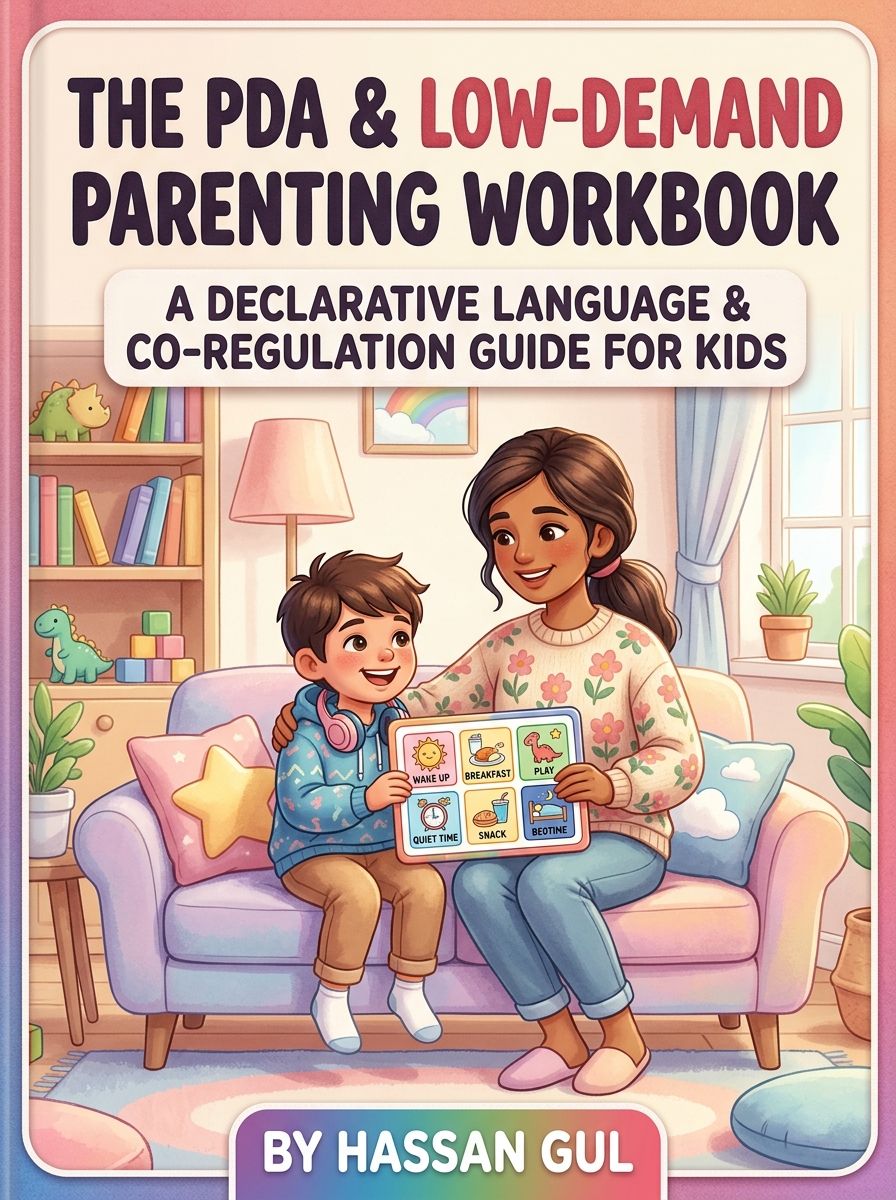
Instant PDF EditionSave 60% vs PhysicalAges 4–12 • Autistic, ADHD & Neurodivergent Children
The Calm-Down Partner Playbook
Parallel Play Activities & Sensory-Friendly Games for Neurodivergent and Autistic Siblings
$5.99$14.99 Paperback
When one sibling is neurodivergent, playtime can quickly escalate into conflict.
What's Included in Your Download
- check_circle Instant Digital PDF Download (Delivered Immediately via Email)
- check_circle High-Resolution Printable Worksheets (Standard Letter & A4 Formats)
- check_circle Sensory-Friendly Muted Color Palettes & Atkinson Hyperlegible Typography
- check_circle Unlimited Personal, Family & Therapy Re-Printing Rights
printDigital PDF Advantage
- check Print unlimited times at home
- check Instant email download link
- check Works on iPad, tablet & phone
- check No shipping fees or delays
menu_book Inside The Resource
Interactive Page Preview
Page 1 of 5

lock Watermarked Preview
verified Key Takeaways
What Your Child & Family Will Gain
check_circleDe-escalate emotional meltdowns using body-based calming tools
check_circleBuild sensory regulation predictability across daily transitions
check_circleStrengthen emotional connection and trust with caregivers
check_circleUnlimited lifetime printing rights for home and classroom use
download Free Sample Download
Download Free Sample Pages First
Not sure if this resource fits your child's sensory profile? Enter your details below to instantly download full-sized sample pages and worksheets from The Calm-Down Partner Playbook.
Instant PDF delivery • No spam ever • Unsubscribe anytime
About this Resource
When one sibling is neurodivergent, playtime can quickly escalate into conflict. The unpredictable noise and movements often trigger a nervous system meltdown. Knowing that 1 in 36 children have autism, alongside countless others with sensory processing differences, I created this playbook as a bridge. I filled it with Parallel Play activities that siblings can do side-by-side—like mirror drawing and tracing loops—without the pressure of eye contact or sharing toys. This sensory-friendly approach lowers demands, prevents sensory overload, and helps children connect safely.