Tactile Defensiveness in Kids: Why Sticky Hands & Textures Trigger Meltdowns
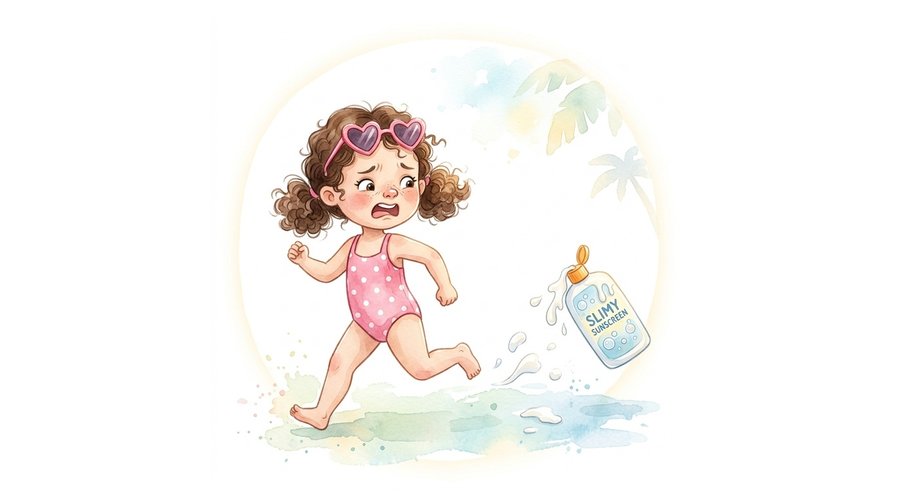
A drop of syrup on a thumb can trigger an explosive meltdown. Here is why sticky hands and clothing tags cause neurological panic in sensory-sensitive kids—and how to restore calm.
It is pancake morning. Your child takes two bites, a single drop of maple syrup lands on their thumb, and instantly, chaos erupts.
They freeze. Their eyes widen in horror. They begin frantically shaking their hand in the air, screaming as if their skin were on fire. They rush to wipe it on their shirt, on the tablecloth, on your arm—sobbing uncontrollably. To a casual observer or a frustrated parent running late, it looks like an extreme overreaction to a tiny speck of sugar.
Why can't they just wipe it off with a napkin? Why do wet sand, fingerpaint, lotion, or tagless clothing seams trigger tears and explosive meltdowns?
As an autistic adult who still flinches at the sensation of sticky dough on my palms, I can assure you: your child is not being dramatic. To a tactile-defensive nervous system, a sticky texture does not feel like 'syrup.' It registers as a physical threat, an invasive suffocation of the skin that triggers primal fight-or-flight panic.
In this clinical and practical guide, we explore the neurological mechanisms behind tactile defensiveness, examine why forced 'sensory exposure therapy' backfires, and outline the proven occupational therapy strategies to help your child feel safe in their own skin.
The Two Pathways of Touch: Why the Brain Misinterprets Safe Textures
In pediatric neuroscience, our sense of touch is divided into two distinct neurological processing systems:
- 🛡️ The Protective (Spinothalamic) System: Our primitive survival alert system. It detects light touch, pain, temperature, and potential danger (like a mosquito landing on your arm or touching a hot stove). When triggered, it demands immediate withdrawal and activates sympathetic fight-or-flight.
- 🧩 The Discriminative (Dorsal Column) System: Our sophisticated analytical system. It determines texture, shape, size, and weight (e.g., reaching into your pocket and knowing by touch whether a coin is a quarter or a dime). It sends organizing, calming signals to the cortex.
In neurotypical children, these two systems operate in harmonious balance. The discriminative system evaluates a texture ('That's just sticky syrup') and dampens the protective alarm.
In children with **Tactile Defensiveness**—a hallmark feature of Sensory Processing Sensitivity, Autism, and ADHD—the protective system is chronically hyper-vigilant, while the discriminative system is inhibited. Light, unexpected, or clinging textures bypass cognitive evaluation and directly trigger the amygdala's alarm bells. The brain perceives sticky syrup or wet sand not as an inconvenience, but as an acute predatory assault.
The 4 Daily Environments That Trigger Tactile Meltdowns
Tactile defensiveness doesn't just show up at breakfast. It infiltrates almost every aspect of a child's daily routine:
1. Sticky & Clinging Textures
Syrup, glue, fingerpaint, melting ice pops, and honey. The visceral revulsion comes from the clinging nature of the substance—the child feels trapped because the texture cannot be brushed away with a simple wave of the hand.
2. Micro-Friction Clothing Triggers
Stiff clothing tags, raised sock toe seams, scratchy polyester embroidery, tight waistbands, and stiff denim. To a tactile-defensive child, a sock seam feels like walking on a row of sharp pebbles all day.
3. Wet & Damp Sensations
Water splashing on a shirt cuff while washing hands, stepping on a wet bathroom tile, sweat under a winter coat, or damp rain droplets on the face. The sudden boundary shift between dry and wet triggers immediate distress.
4. Personal Grooming & Hygiene
Hair brushing, haircuts (hair clippings falling on the neck), nail clipping, sunscreen application, and face washing. These activities involve light, unpredictable touch across sensitive tactile zones, causing intense defensive panic.
Why Forcing 'Messy Play' Traumatizes Tactile-Defensive Kids
For years, well-meaning advice has told parents: 'Just make them play with slime! If you force them to touch it, they'll get used to it!'
Occupational therapists strongly warn against forced sensory immersion. Forcing a terrified child to submerge their hands in shaving cream or mud is sensory flooding. It does not desensitize the nervous system; it causes **sensory trauma** and triggers Dorsal Vagal shutdown.
True neurological desensitization occurs through **autonomy, predictability, and proprioceptive counter-stimulation**. The child must always remain in complete control of their physical boundaries.
The 'Sticky Shield' Protocol: 4 Steps to De-Escalate Tactile Panic
Here is our field-tested occupational therapy framework to support tactile-sensitive kids at home and in school:
Step 1: The 'Immediate Rescue Cloth'
Anxiety spikes when a child feels trapped by a texture. Always have a designated 'Rescue Cloth'—a soft, slightly damp microfiber towel—resting right next to their plate or art station.
- 💡 The Rule: Teach your child: 'You are never trapped. The rescue cloth is right here. If anything touches your hands, you can wipe it off instantly.' Knowing they can escape sticky textures within one second drastically lowers their baseline panic.
Step 2: Provide Sensory Barrier Tools
Never require direct skin contact during messy activities. Provide tools that act as extensions of the hand:
- 🖌️ Art Tools: Use silicone spatulas, foam paint rollers, tongs, or plastic spoons instead of bare fingerpainting.
- 🧤 Protective Gloves: Let your child wear thin nitrile gloves during sensory bin play or messy science projects until their comfort expands.
Step 3: Proprioceptive Deep Pressure Resets
Proprioception (heavy work) is the neurological antidote to tactile defensiveness. Deep pressure in muscles and joints actively inhibits the spinothalamic protective touch pathway in the spinal cord.
- 🤲 Firm Hand Squishes: When your child is distressed by a texture, provide firm, comforting compressions: hold their hands between yours and squeeze firmly (not painfully) for 5 seconds.
- 🧱 Wall Pushes & Bear Hugs: Have them do 10 firm wall push-ups or deliver a tight bear hug to flood the nervous system with calming proprioception.
Step 4: The Wilbarger Brushing Protocol (Under OT Guidance)
Many pediatric occupational therapists use the Wilbarger Protocol—a specialized surgical scrub brush applied with firm, horizontal strokes across the arms, back, and legs, followed by gentle joint compressions. Done consistently every 2 hours, it helps reset tactile thresholds over several weeks.
Recommended Clinical & Home Tools for Tactile Defensiveness
Here are the top four tactile-calming tools we rely on to soothe sensitive nervous systems:
1. Non-Sticky Occupational Therapy Hand Putty
Unlike sticky homemade slime, medical-grade therapy putty leaves zero residue on hands. Provides resistive proprioceptive input that desensitizes hyperactive touch receptors.
shopping_cartCheck Price on Amazon: CanDo Non-Sticky Therapy Puttyopen_in_new
2. Official Wilbarger Sensory Therapy Brushes (2-Pack)
High-density, ultra-soft surgical scrub brushes designed specifically for the Wilbarger Deep Pressure and Proprioceptive Technique (DPPT).
shopping_cartCheck Price on Amazon: Wilbarger Sensory Therapy Brushesopen_in_new
3. Seamless Bamboo Sensory Socks for Kids
Completely seamless toe construction made from buttery-soft bamboo viscose. Eliminates daily morning sock meltdowns and footwear resistance.
shopping_cartCheck Price on Amazon: Seamless Sensory Socks for Kidsopen_in_new
4. Ultra-Soft Quick-Dry Microfiber Hand Towels (6-Pack)
Gentle, non-abrasive microfiber towels that absorb sticky and wet substances instantly without harsh skin friction.
shopping_cartCheck Price on Amazon: Ultra-Soft Microfiber Hand Towelsopen_in_new
Empower Your Child with 'Sticky Shield' (Book 20)
To help children understand that tactile sensitivity is a superpower rather than a flaw, we created our children's storybook:
📖 Sticky Shield by Hassan Gul. Follow our hero as they discover their invisible 'Sticky Shield'—learning how to protect their boundaries, ask for wiping cloths, and conquer sensory fears at their own pace.
📥 For more somatic grounding tools, download our Free 5-Page Self-Regulation Starter Kit (Instant PDF) featuring tactile Box Breathing mazes and sensory choice boards.
 Instant PDF
Sticky Shield
A Sensory-Friendly Story About Coping with Messy Hands and Tactile Defensiveness
Quick Answers for Parents & Educators
Recommended Sensory Products
Carefully curated products for a sensory-friendly environment.
CanDo Non-Sticky Therapy Putty
Zero-Residue Tactile Play
Medical-grade therapy putty that builds hand strength and proprioception without leaving sticky residue.
Wilbarger Sensory Therapy Brushes
Clinical Tactile Desensitization
Specialized high-density surgical bristle brushes for deep touch pressure therapy and defensiveness calming.
Seamless Bamboo Sensory Socks
Zero-Seam Comfort
Ultra-soft seamless socks that eliminate daily morning foot friction and sensory sock battles.
Ultra-Soft Microfiber Rescue Towels
Instant Rescue Wiping
Gentle quick-absorbent towels to keep within arm's reach for immediate, panic-free sticky texture removal.
Join the Conversation
Get our monthly guide on sensory-aware parenting and neuro-inclusive home design delivered straight to your sanctuary.
Respecting your inbox and your peace of mind.
Discussion (0)
No comments yet. Be the first to share your thoughts!
Leave a Reply
Your email address will not be published. Required fields are marked *