 Sensory Tools & Coping

Hassan Gul
Children's Book Author & Sensory AdvocateverifiedAuthor, Cloud Systems Architect & Neurodivergent Parent
Father, children's book author, and advocate for neurodivergent families. Creator of the SensoryKidsBooks series — magical stories designed to help every unique mind feel safe, understood, and celebrated.
Verified Expertise:Neurodiversity-Affirming ParentingPathological Demand Avoidance (PDA)Sensory Processing DifferencesADHD Executive Function ScaffoldingInteroception & Co-Regulation
edit_documentArticles by Hassan Gul
Sensory Tools & Coping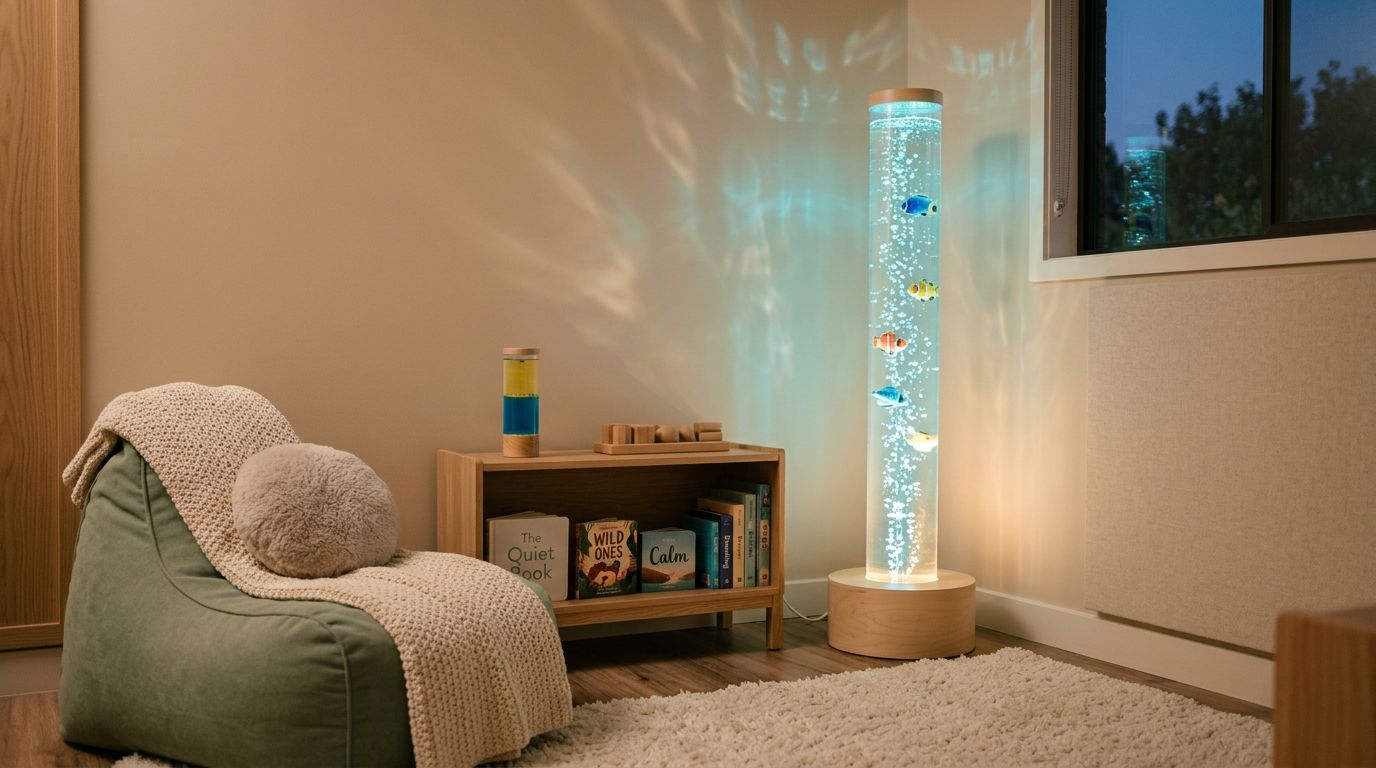 Sensory Tools & Coping
The 6 Best Sensory Bubble Tubes & Calming Light Towers for Autism & ADHD: An OT Review
Discover the 6 best sensory bubble tubes & calming light lamps for autism & ADHD. Tested for whisper-quiet motors, anti-tip wall brackets & visual tracking.
Read Article arrow_forward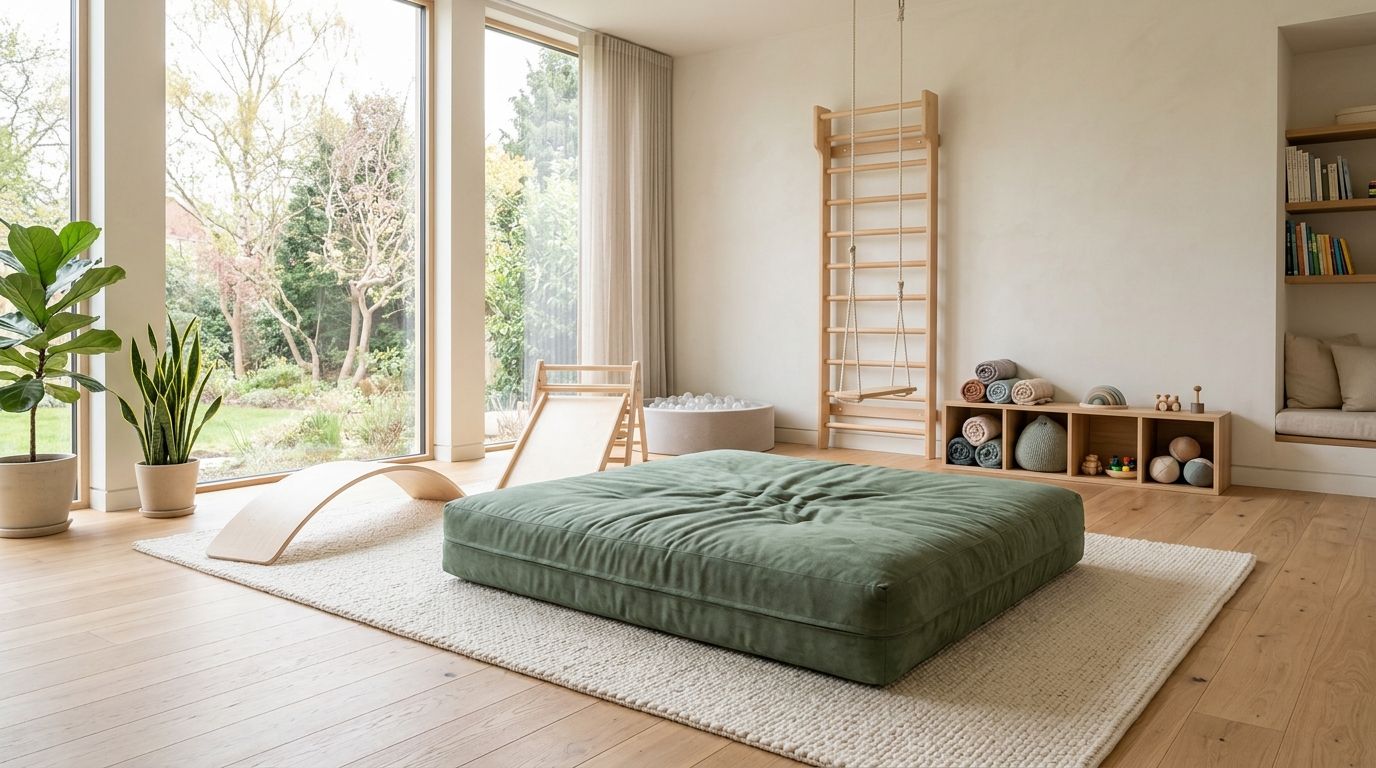 Sensory Tools & Coping
The 6 Best Sensory Crash Pads & Foam Landing Mats for High-Energy Kids: An OT & Architect Safety Guide
Discover the 6 best sensory crash pads & landing mats for ADHD & autism. Architect & OT reviewed for CertiPUR-US foam, mesh air vents, washable covers & room safety.
Read Article arrow_forward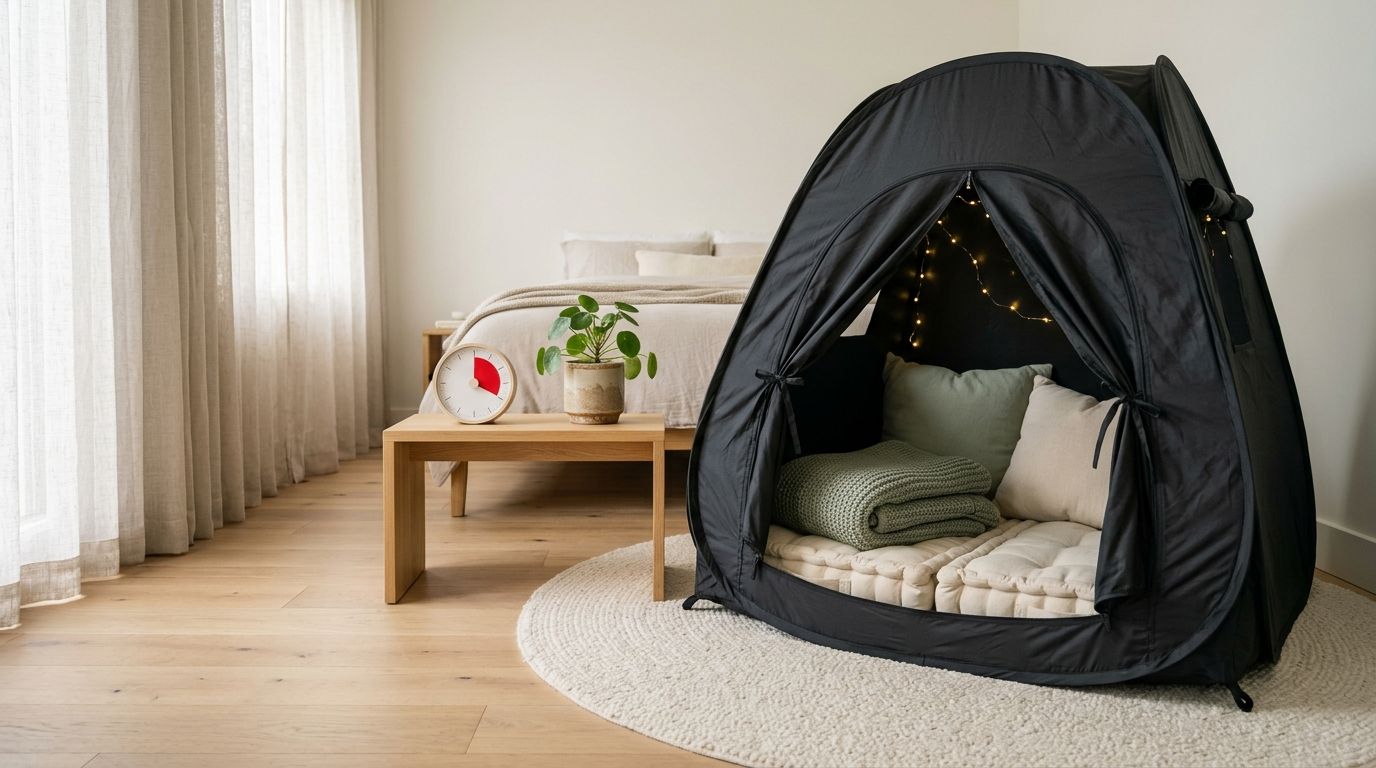 Sensory Tools & Coping
The 6 Best Blackout Sensory Tents for Autism & Meltdown Decompression: An OT & Architect Guide
Discover the 6 best blackout sensory tents for autism & meltdowns. Architect & OT tested for 99% light blocking, mesh ventilation, pop-up setup & sensory accessories.
Read Article arrow_forward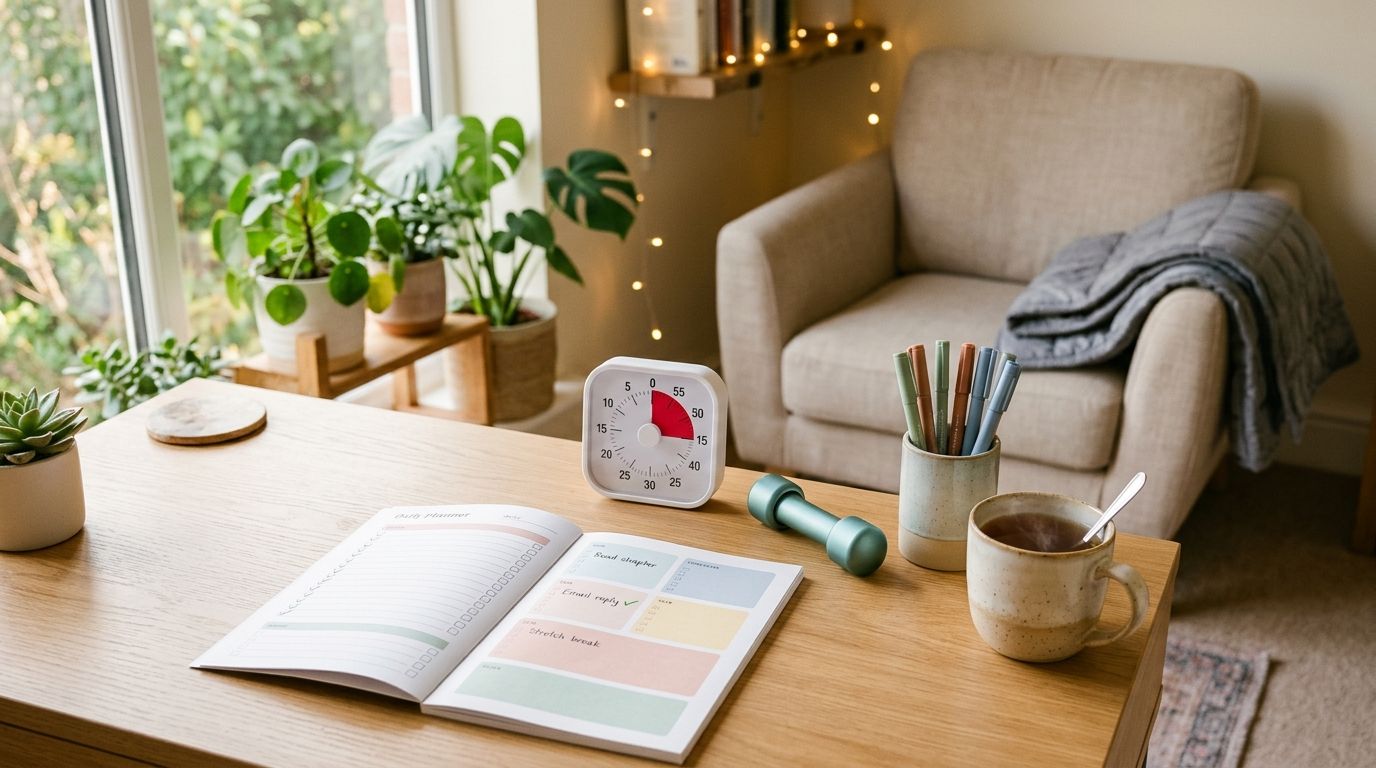 ADHD Support
ADHD Task Paralysis Worksheet: 7 Visual Micro-Steps to Break Executive Dysfunction Freeze (Free Printable PDF)
Read Article arrow_forward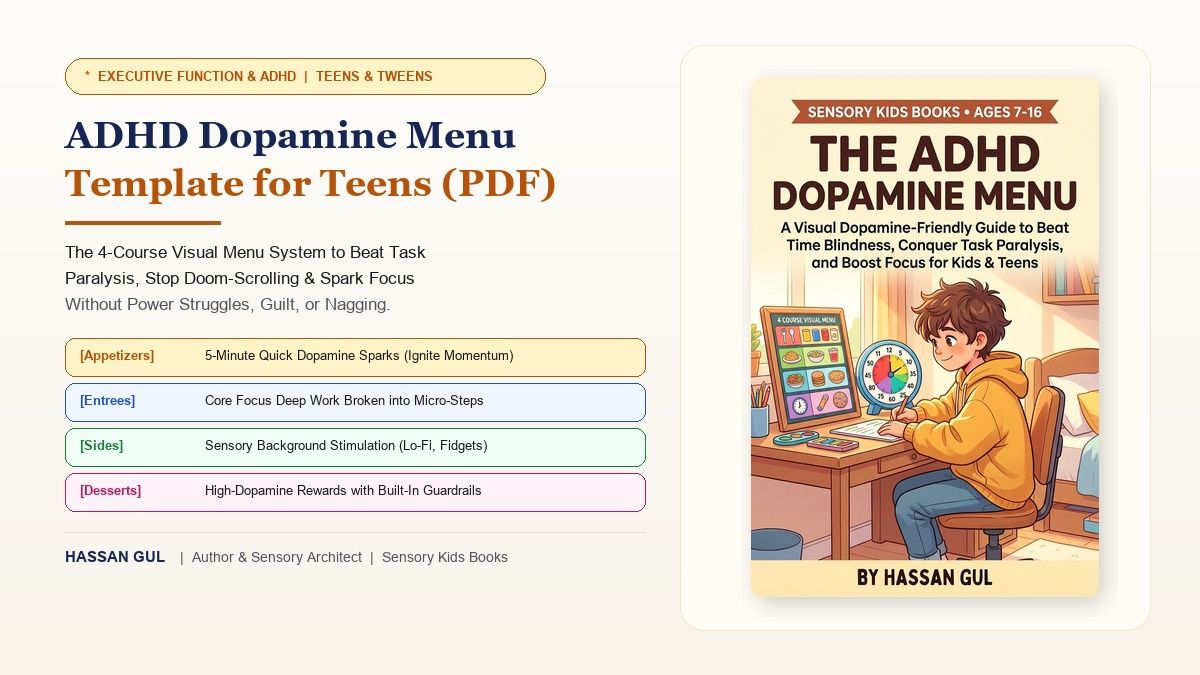 ADHD Support
ADHD Dopamine Menu Template for Teens (Free PDF): How to Beat Task Paralysis & Doom-Scrolling
Struggling with homework paralysis, endless phone scrolling, and after-school overwhelm? Download our free 8-page ADHD Dopamine Menu Template for Teens and discover the 4-course visual system that sparks dopamine, breaks study freeze, and restores calm focus without guilt.
Read Article arrow_forward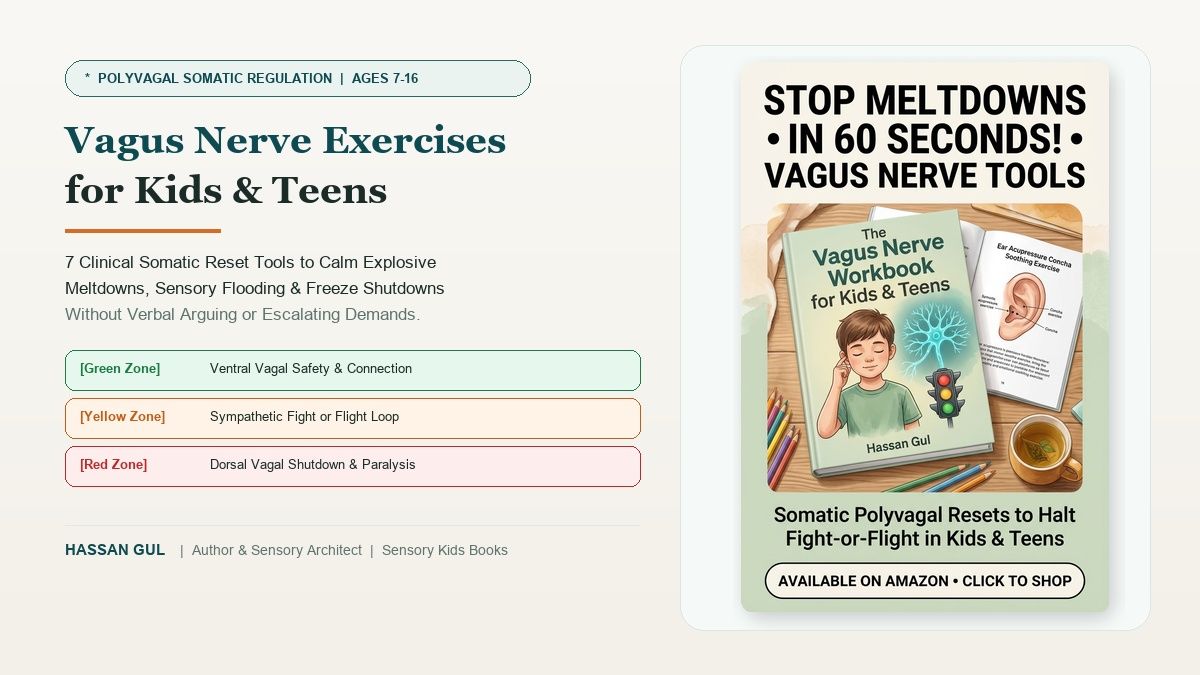 Emotional Regulation
Vagus Nerve Exercises for Kids: 7 Somatic Reset Tools to Calm Meltdowns & Sensory Overload
When your child is trapped in a screaming meltdown or frozen in shutdown, verbal logic fails. Discover 7 pediatric somatic vagus nerve exercises based on Polyvagal Theory to stimulate parasympathetic safety, restore vagal tone, and de-escalate sensory flooding in under 60 seconds.
Read Article arrow_forward Sensory Tools & Coping
The 6 Best Weighted Blankets & Compression Vests for Autism & ADHD: An OT Guide to Deep Pressure Therapy (DPTS)
Struggling with 2-hour bedtime battles, nighttime waking, or classroom sensory overload? An architect dad and pediatric OT team review the 6 best weighted blankets, sensory compression vests, and lap pads—plus the essential 10% weight safety formula and 504 plan clauses.
Read Article arrow_forward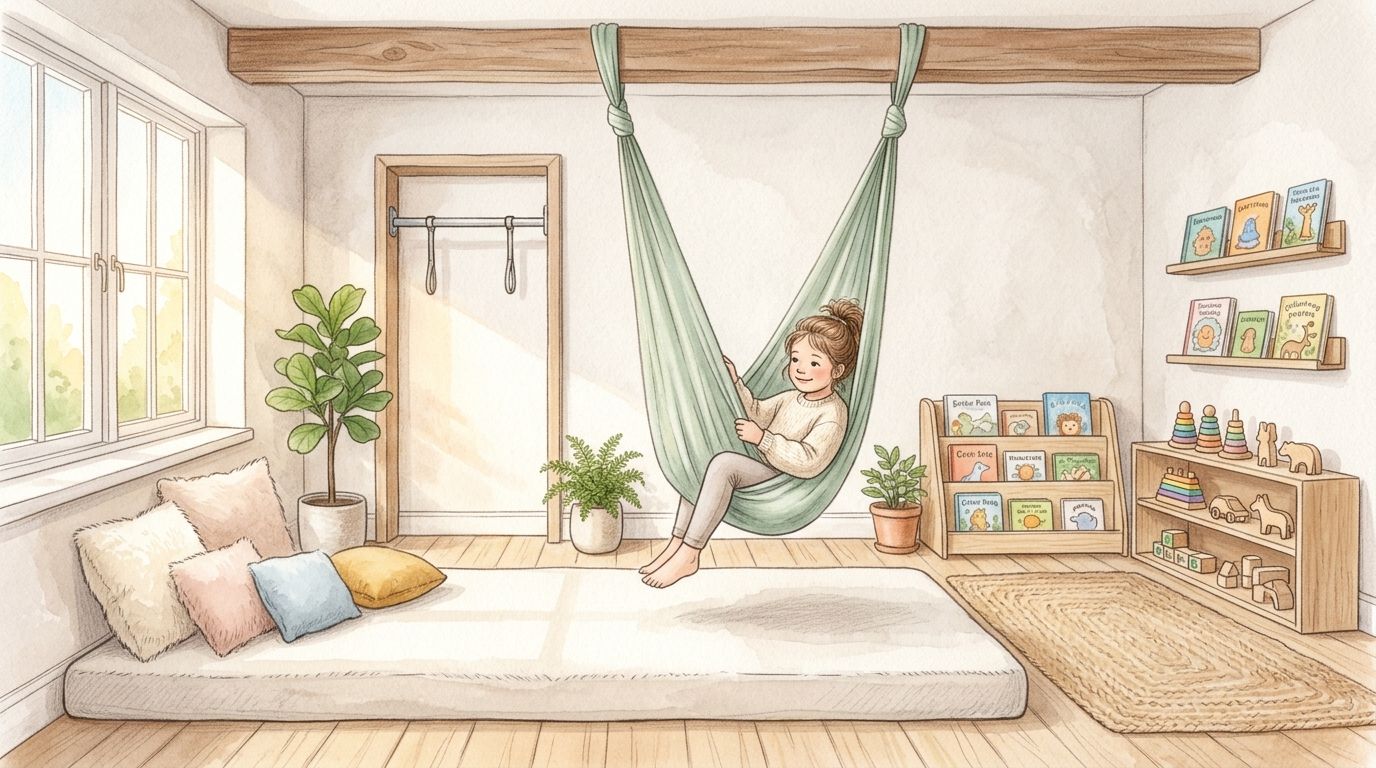 Sensory Tools & Coping
The 7 Best Indoor Sensory Swings for Autism & ADHD Kids (With & Without Ceiling Mounts): An OT & Architect Guide
Turn explosive after-school meltdowns into parasympathetic calm. An architect dad and pediatric OT team review the 7 best indoor sensory swings—including double-layer compression cuddles, damage-free doorway gyms, and heavy-duty freestanding A-frame stands.
Read Article arrow_forward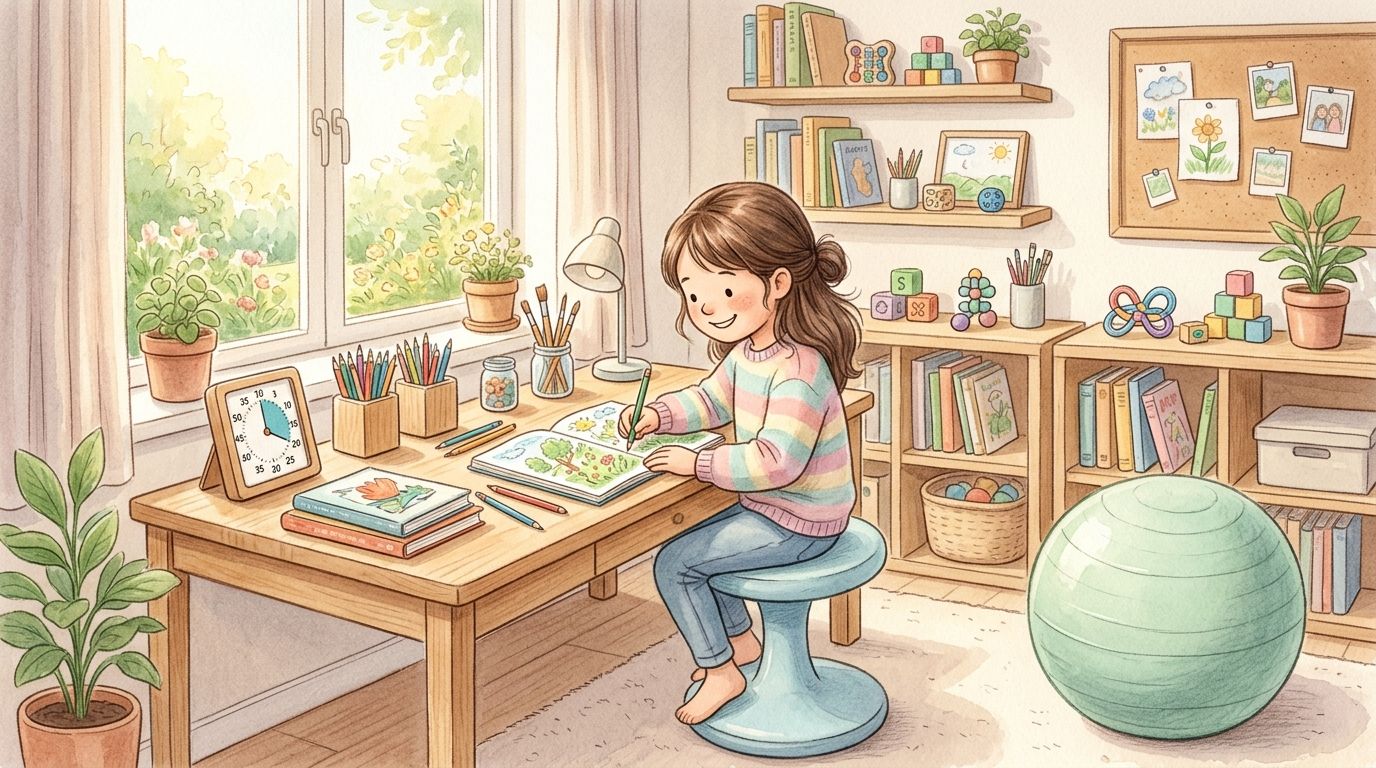 ADHD Support
The 6 Best Active Seating Chairs & Wobble Stools for ADHD Kids: OT-Tested Solutions for Homework & Classroom Focus
Tired of homework battles, chair tipping, and constant fidgeting? An architect dad and pediatric OT team review the 6 best active seating chairs, wobble stools, and balance ball seats for ADHD kids—plus the exact 90-90-90 sizing rule and 504 plan wording.
Read Article arrow_forward School Advocacy
The Ultimate 504 Plan Accommodations List for ADHD: 45+ Legally Enforceable Classroom Clauses & Meeting Scripts
Turn vague school promises into legally binding support. Explore our master list of 45+ Section 504 plan accommodations for ADHD, word-for-word parent meeting scripts, and legal non-negotiables.
Read Article arrow_forward Routines & Visual Schedules
The Free Sensory Diet Template: How to Build a Low-Demand Daily Schedule for Home and School
Read Article arrow_forward Routines & Visual Schedules
The Low-Overwhelm Toy Rotation System: How a 4-Bin Cycle Ends Clutter Paralysis and Resets Play
Read Article arrow_forward Low-Demand Parenting
The Sensory-Friendly Haircut Guide: 5 Gentle Home Habits to Prevent Tears, Sensory Overload, and Trimmer Fears
Read Article arrow_forward Low-Demand Parenting
The Calm After-School Snack Station: How a Low-Demand Food Basket Prevents the 4 PM Meltdown
Read Article arrow_forward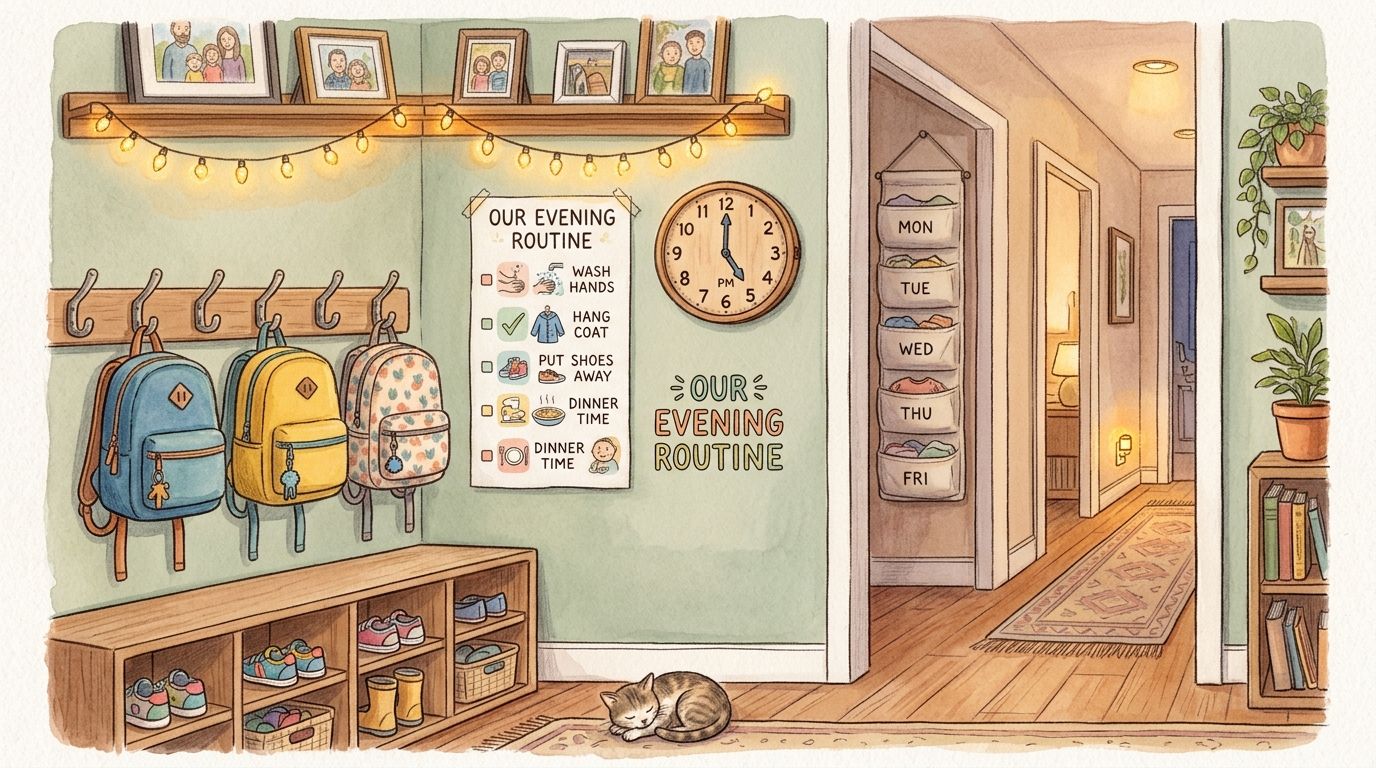 Routines & Visual Schedules
The Sunday Evening Launchpad: 4 Stress-Free Family Systems to End the 'Sunday Scaries' and Prep for School
Read Article arrow_forward Low-Demand Parenting
The Low-Demand Weekend Reset: 5 Gentle Family Habits to Recharge from School Week Overwhelm
Ditch the Saturday rush and cure the Sunday scaries. Discover 5 gentle low-demand weekend habits, the pajama half-day rule, and cozy sensory resets that recharge the whole family.
Read Article arrow_forward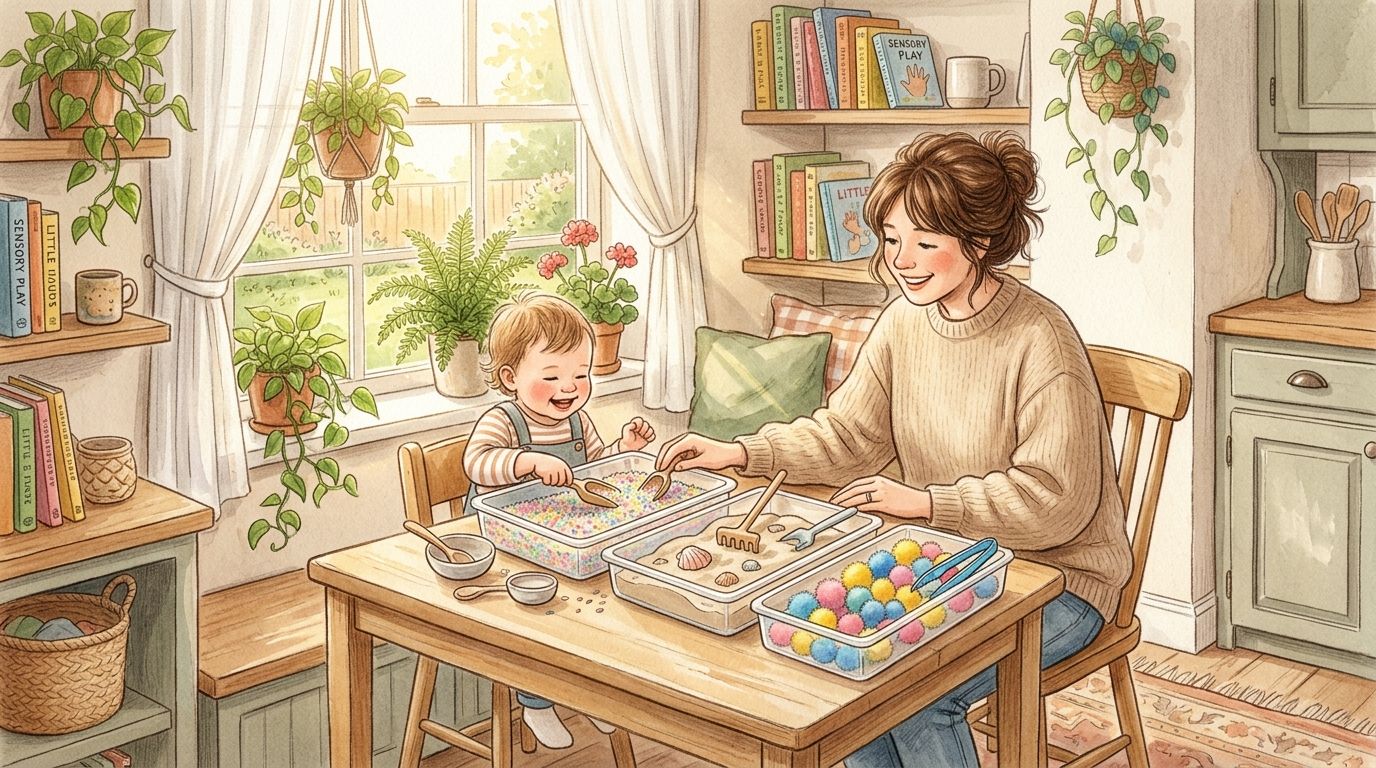 Sensory Tools & Coping
7 DIY Mess-Free Sensory Bags for Toddlers & Preschoolers (Budget Squish Bags with Pantry Staples)
Get all the benefits of sensory play with zero cleanup. Discover 7 budget-friendly DIY sensory squish bags made with zip bags and kitchen staples, plus the 3 golden leak-proof rules.
Read Article arrow_forward Sensory Tools & Coping
5 Calming After-School Transition Activities That Help Kids Decompress Without Meltdowns
Stop the 3:30 PM collapse. Discover 5 calming after-school transition activities, the 30-minute zero-demands buffer, and sensory snacks that help kids decompress peacefully without meltdowns.
Read Article arrow_forward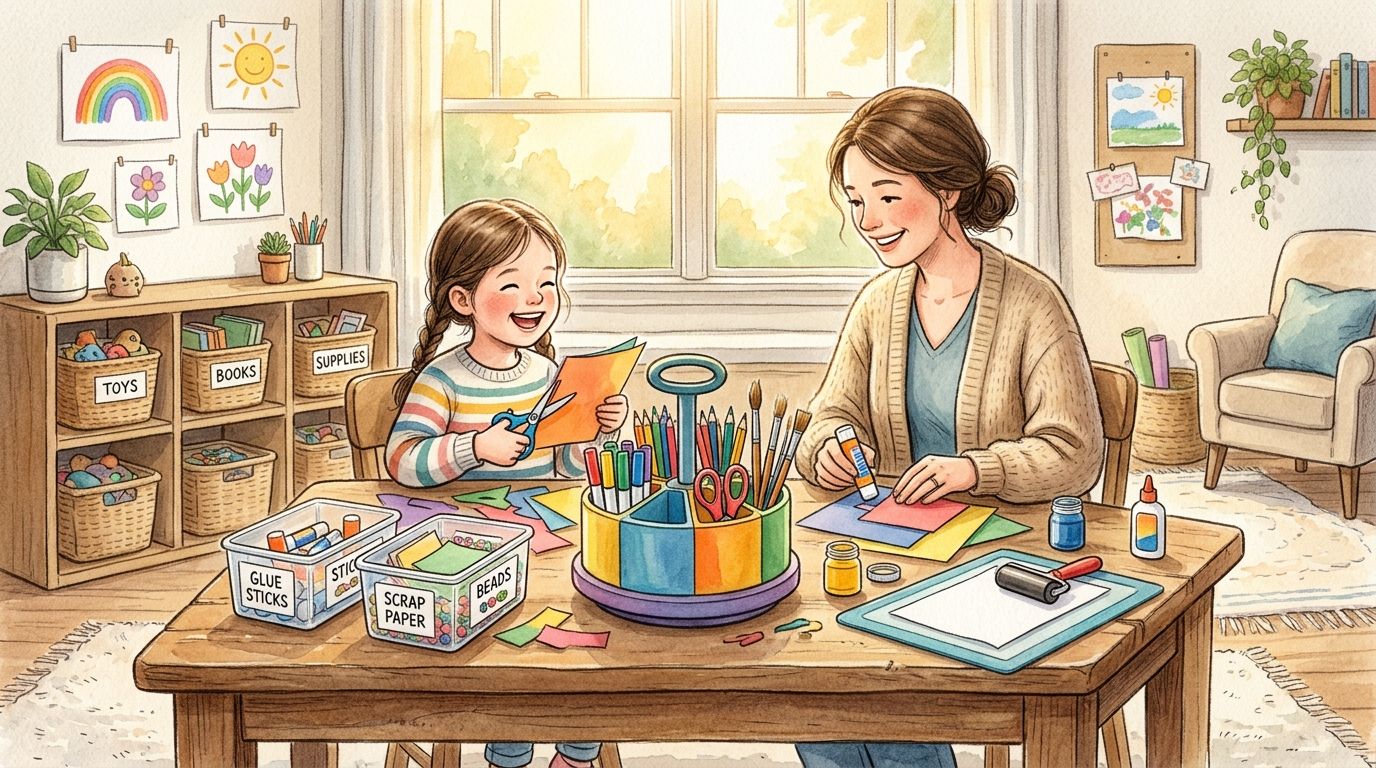 Sensory Tools & Coping
5 Creative Ways to Organize Kids' Art Supplies and Craft Bins on a Budget
Say goodbye to dried-out markers and glitter chaos. Discover 5 budget-friendly hacks to organize kids' craft bins, the 360-degree rotating caddy rule, and visual picture labels that make clean-up intuitive.
Read Article arrow_forward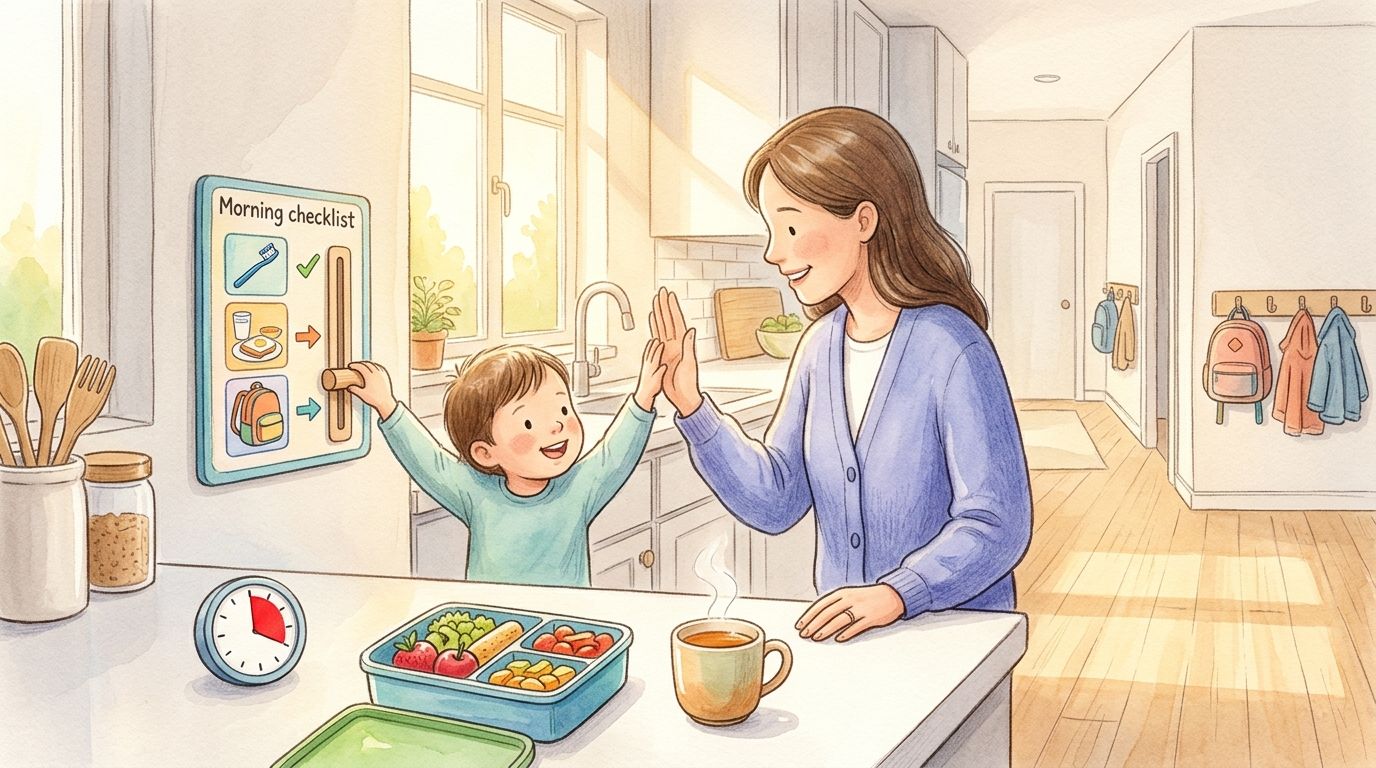 Routines & Visual Schedules
How to Build a Frictionless Morning Routine for Kids Who Hate Waking Up: The Visual Checklist System
Stop morning nagging and start the day with peace. Discover the 6-step visual checklist system, the 15-minute gentle wake-up buffer, and the night-before launchpad hack.
Read Article arrow_forwardSensory Tools & Coping7 Calming Sensory Bin Ideas You Can Make at Home on a Budget
Turn everyday pantry staples into peaceful quiet-time play. Discover 7 budget-friendly DIY sensory bin recipes, the fitted sheet clean-up hack, and the best fine motor tools.
Read Article arrow_forward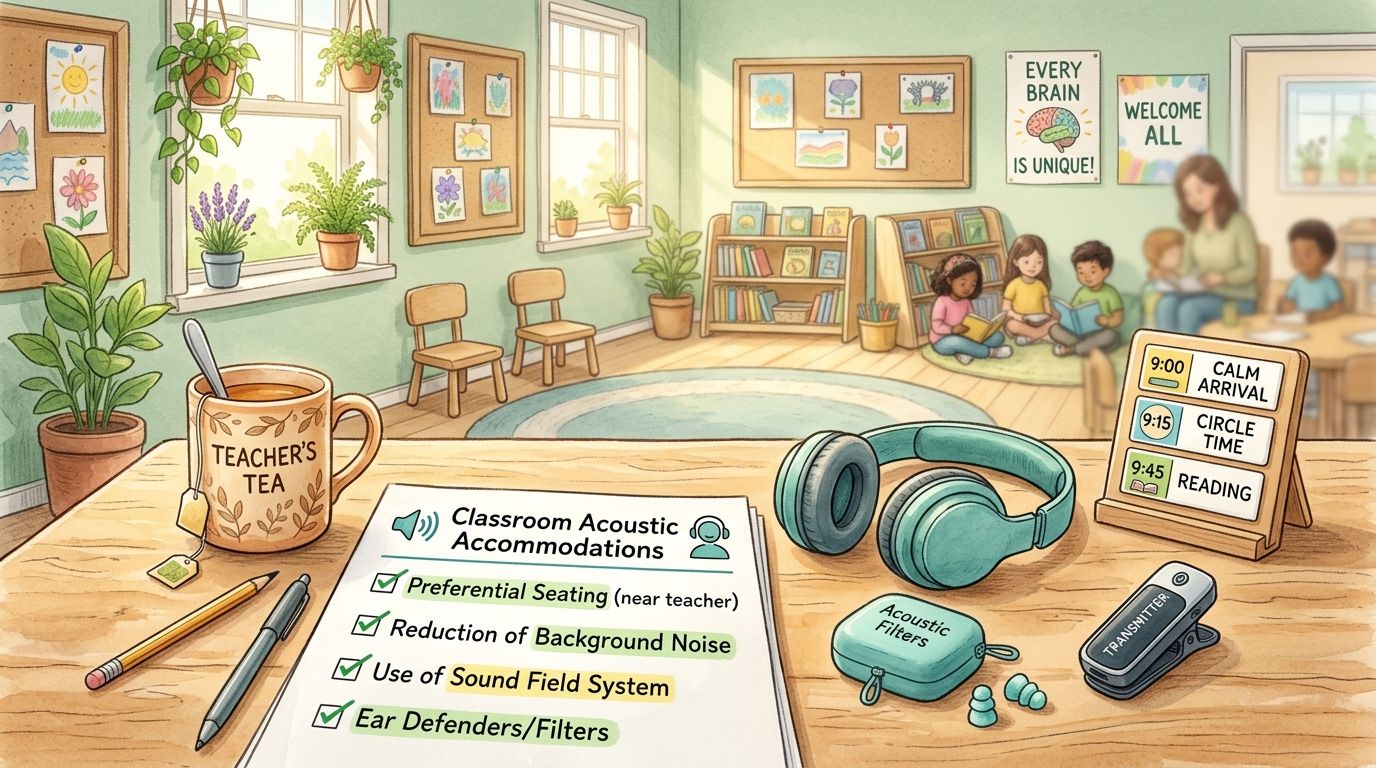 School Advocacy
Auditory Processing Disorder (APD) in the Classroom: Acoustic Accommodations & School Strategies
Classroom noise is an invisible barrier for children with Auditory Processing Disorder. Discover 10 clinical 504/IEP accommodations, pre-written legal clauses, and speech-clarifying acoustic tools.
Read Article arrow_forward School Advocacy
10 Must-Have 504 Plan Accommodations for ADHD Sensory Overload: Pre-Written Scripts & Legal Clauses
Turn classroom sensory overload into enforceable school support. Discover 10 clinical-grade 504 plan accommodations, pre-written legal clauses, and teacher collaboration scripts for ADHD kids.
Read Article arrow_forward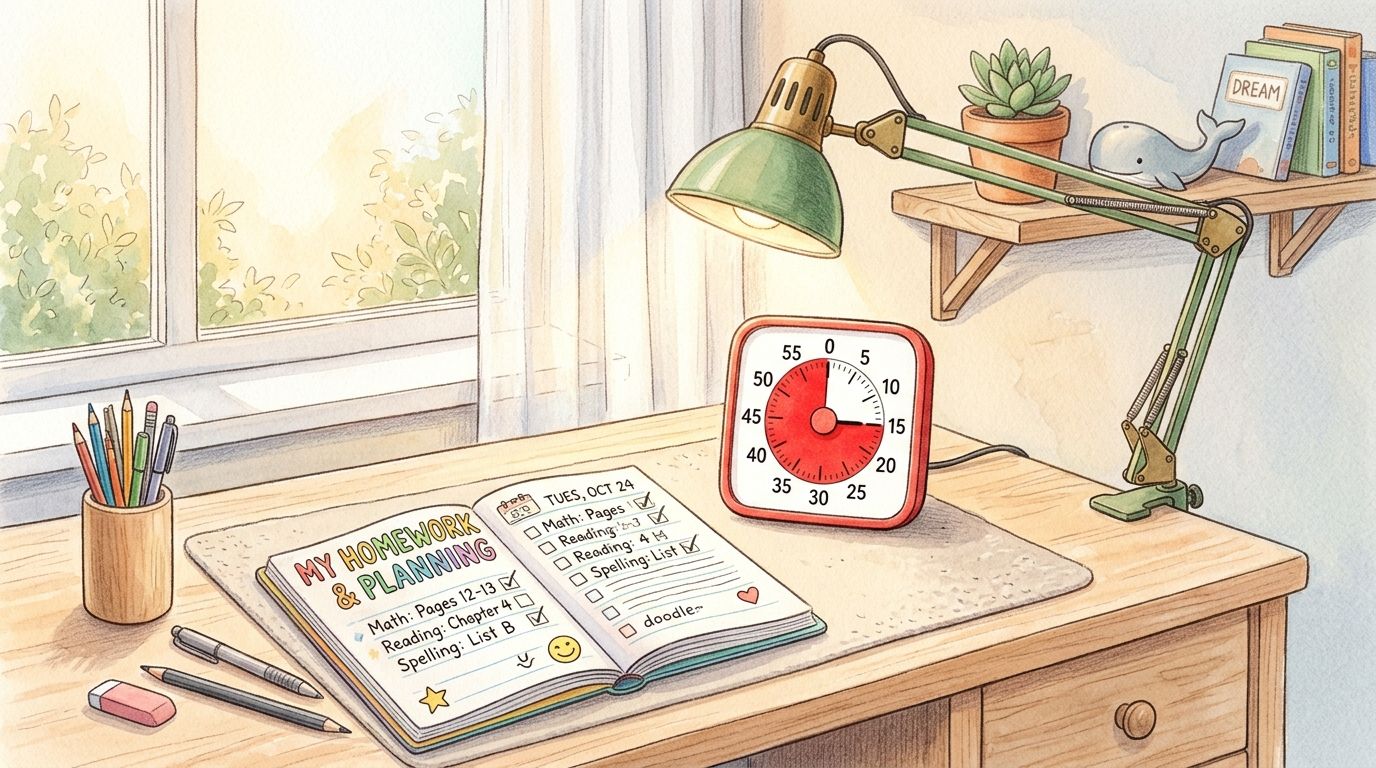 ADHD Support
How to Use Visual Timers to Beat Homework Task Paralysis: The 5-Step Executive Function Protocol
Struggling with homework initiation freeze and evening meltdowns? Discover how visual countdown timers externalize time blindness and bypass ADHD task paralysis using our 5-step occupational therapy routine.
Read Article arrow_forward Sensory Tools & Coping
Top 5 Weighted Lap Pads for Classroom Focus & Car Rides: An OT-Backed Sensory Guide
Discover how weighted lap pads provide deep pressure touch (DPT) to calm restless bodies, boost classroom focus, and de-escalate car ride meltdowns. Featuring top OT picks and safety guidelines.
Read Article arrow_forward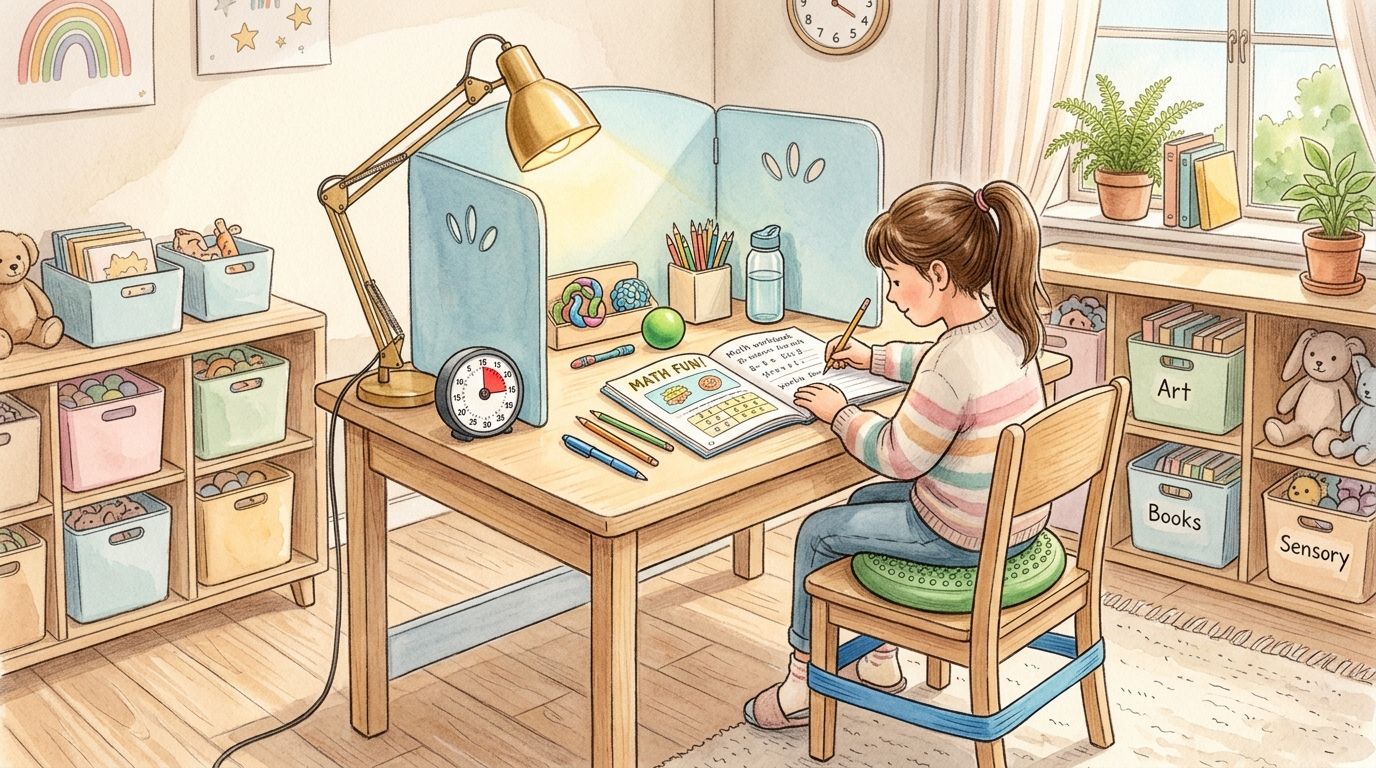 ADHD Support
How to Build a Low-Distraction Homework Station for ADHD Kids: The Sensory & Executive Function Setup
Transform homework battles into calm focus. Discover the sensory seating, visual carrels, non-flicker lighting, and executive function tools that help ADHD kids thrive.
Read Article arrow_forward Sensory Tools & Coping
Best Quiet Fidget Tools for Classrooms (Zero Click, Teacher-Approved)
Stop classroom confiscations and sensory overwhelm. Discover the best quiet, zero-click fidget tools for kids with ADHD and autism—tested for sound levels, pocket portability, and tactile feedback.
Read Article arrow_forward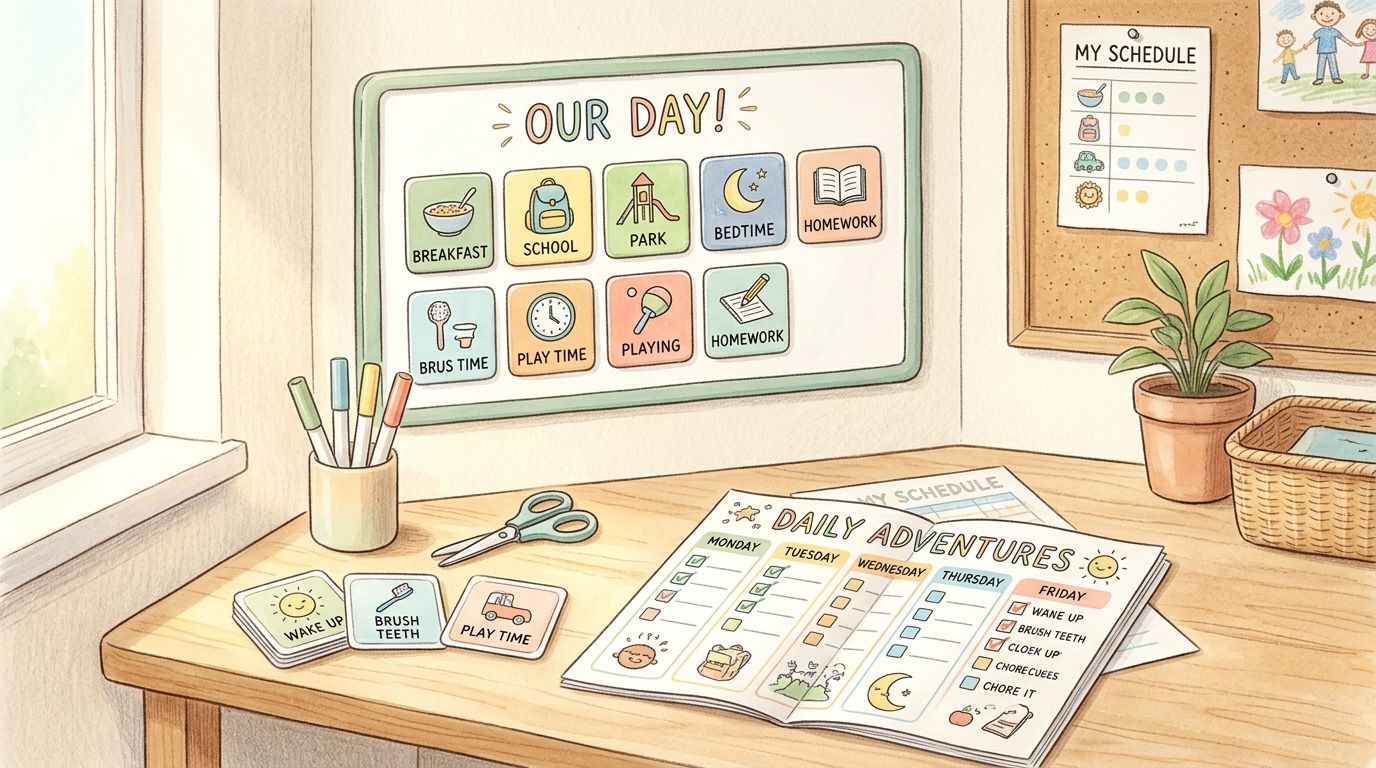 Routines & Visual Schedules
Visual Schedule Boards vs. Printable Routine Charts: A Practical Parent Guide
Read Article arrow_forward Sensory Tools & Coping
Sensory-Friendly Travel Kit for Kids: What to Pack for Flights & Long Car Rides
Read Article arrow_forward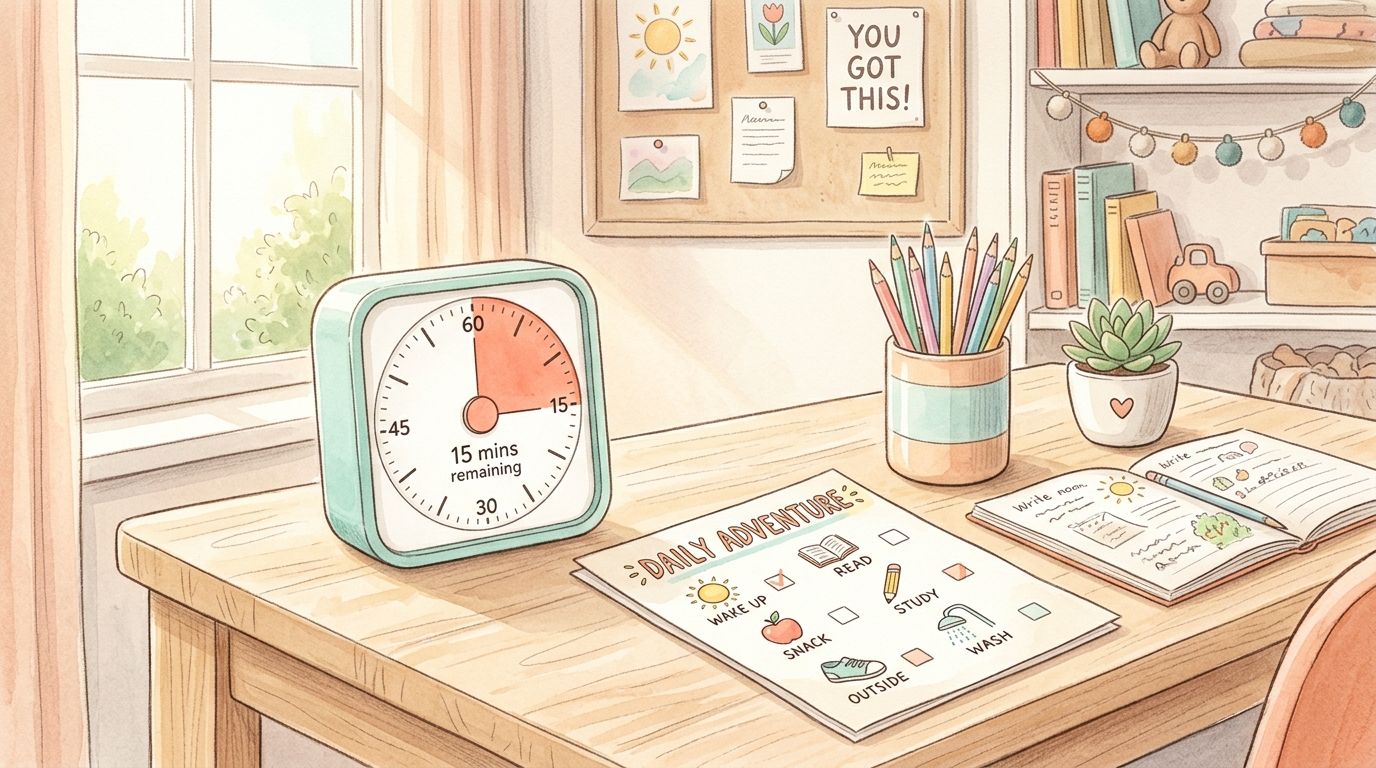 Routines & Visual Schedules
Best Visual Timers for Kids with ADHD: Features Parents Should Compare
Read Article arrow_forward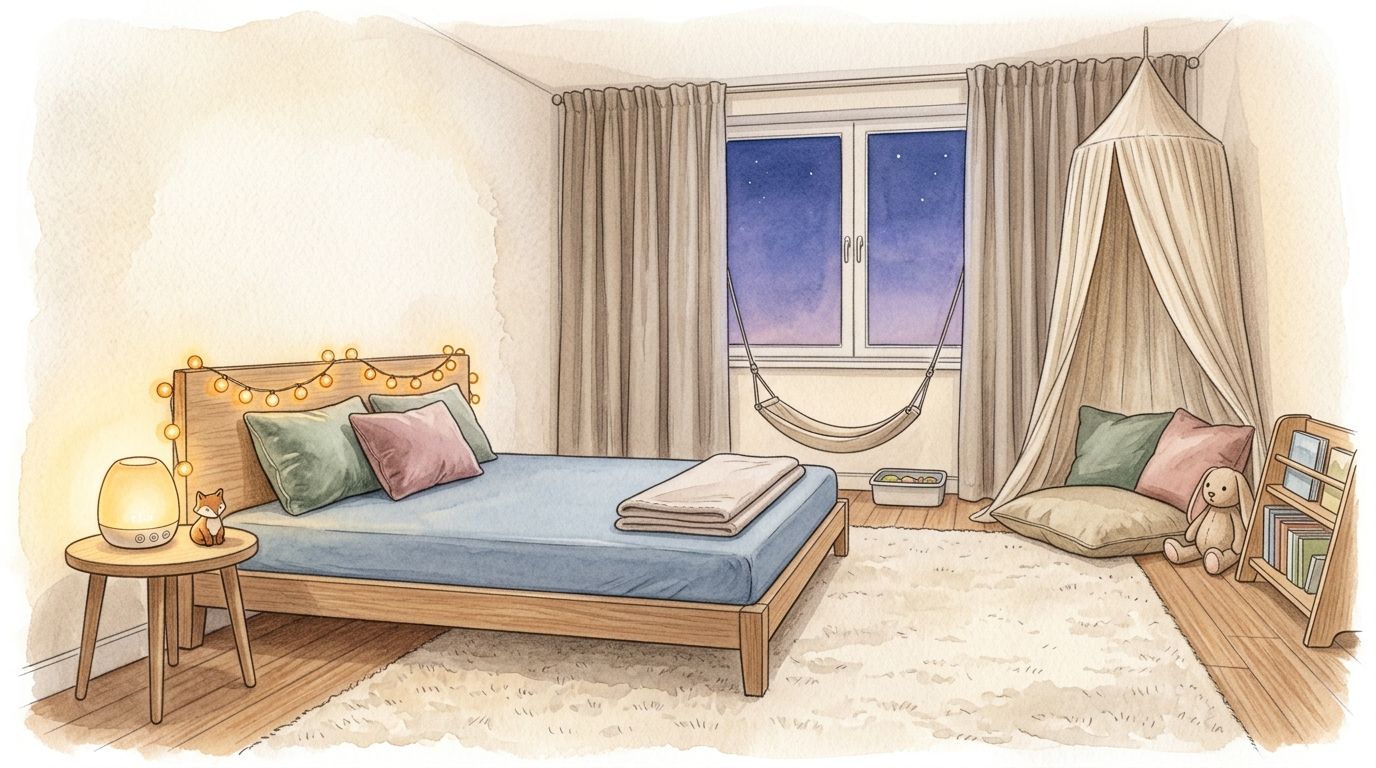 Sensory Tools & Coping
How to Create a Sensory-Friendly Bedroom on a Budget: Low-Cost Calming Solutions
Read Article arrow_forward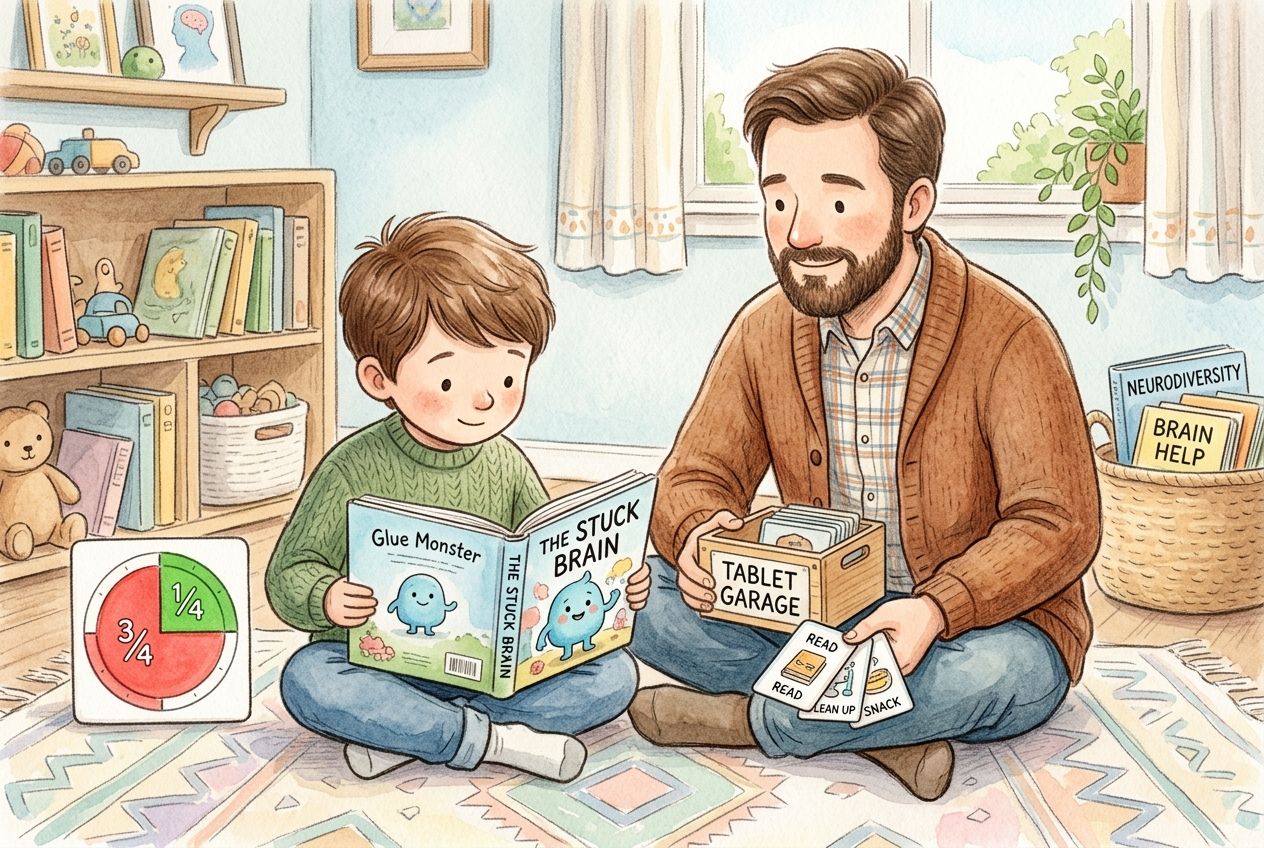 Autism Support
Cognitive Rigidity in Autism: The Neuro-Affirming Guide to Inflexible Thinking, Meltdown Loops & True Mental Flexibility
Learn why cognitive rigidity happens in autistic and ADHD kids through predictive processing (HIPPEA). Includes somatic unsticking tools, real-time crisis scripts for question loops, the Tablet Garage method, visual bridges, and play-based flexibility games.
Read Article arrow_forward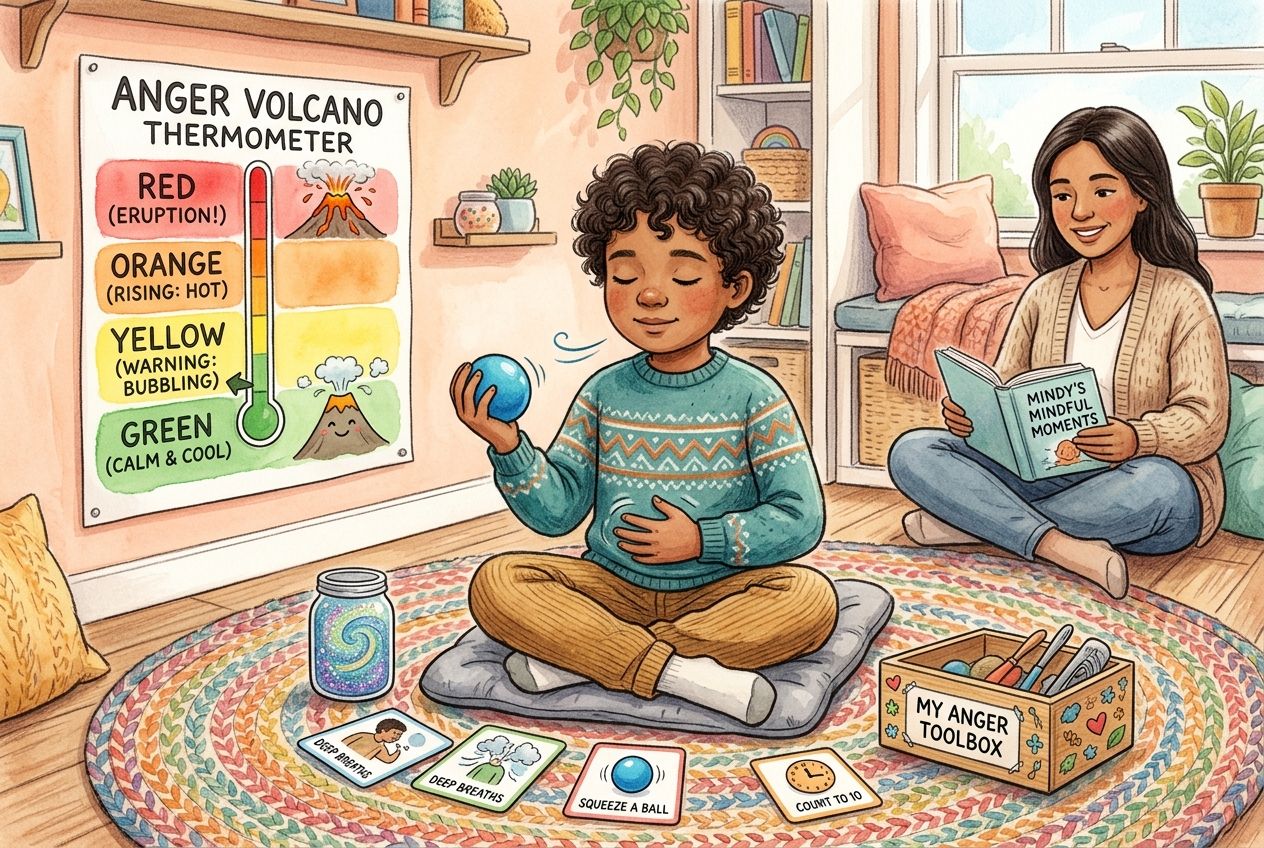 Emotional Regulation
Anger Management Activities for Kids: 25+ Somatic, Visual & Neuro-Affirming Coping Tools
Discover 25+ somatic, visual, and neurodiversity-affirming anger management activities for kids. Includes heavy work, the 5-point Volcano Radar, interoceptive heat mapping, co-regulation scripts, and crisis de-escalation steps.
Read Article arrow_forward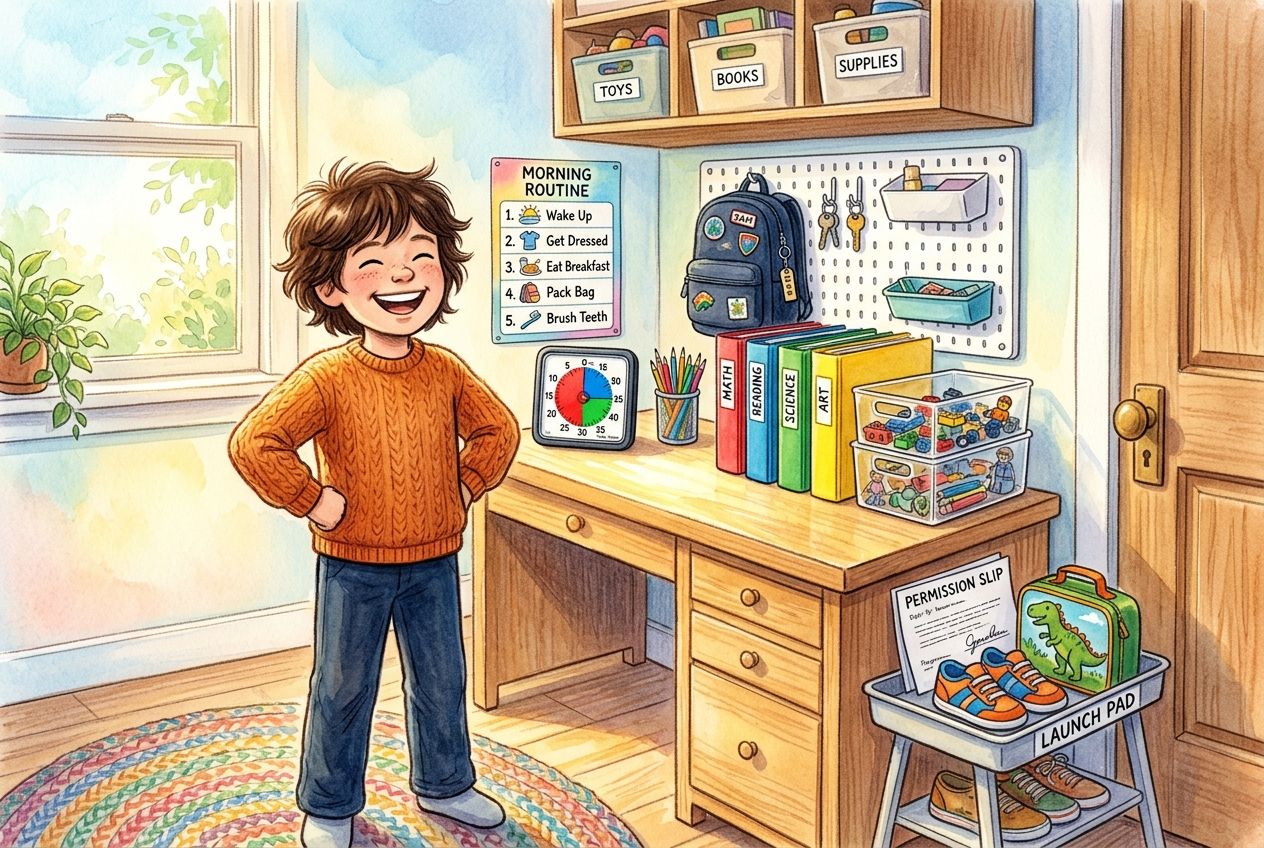 ADHD Support
ADHD Organization Tips for Kids: The Zero-Friction System That Actually Works (+ Age-by-Age Roadmap)
Learn how to organize your ADHD child's bedroom, backpack, and daily routine with zero-friction visual systems. Includes the Launch Pad method, Doom Box triage, Junebugging cleaning, body doubling, age-by-age roadmap, and IEP/504 accommodation wording.
Read Article arrow_forward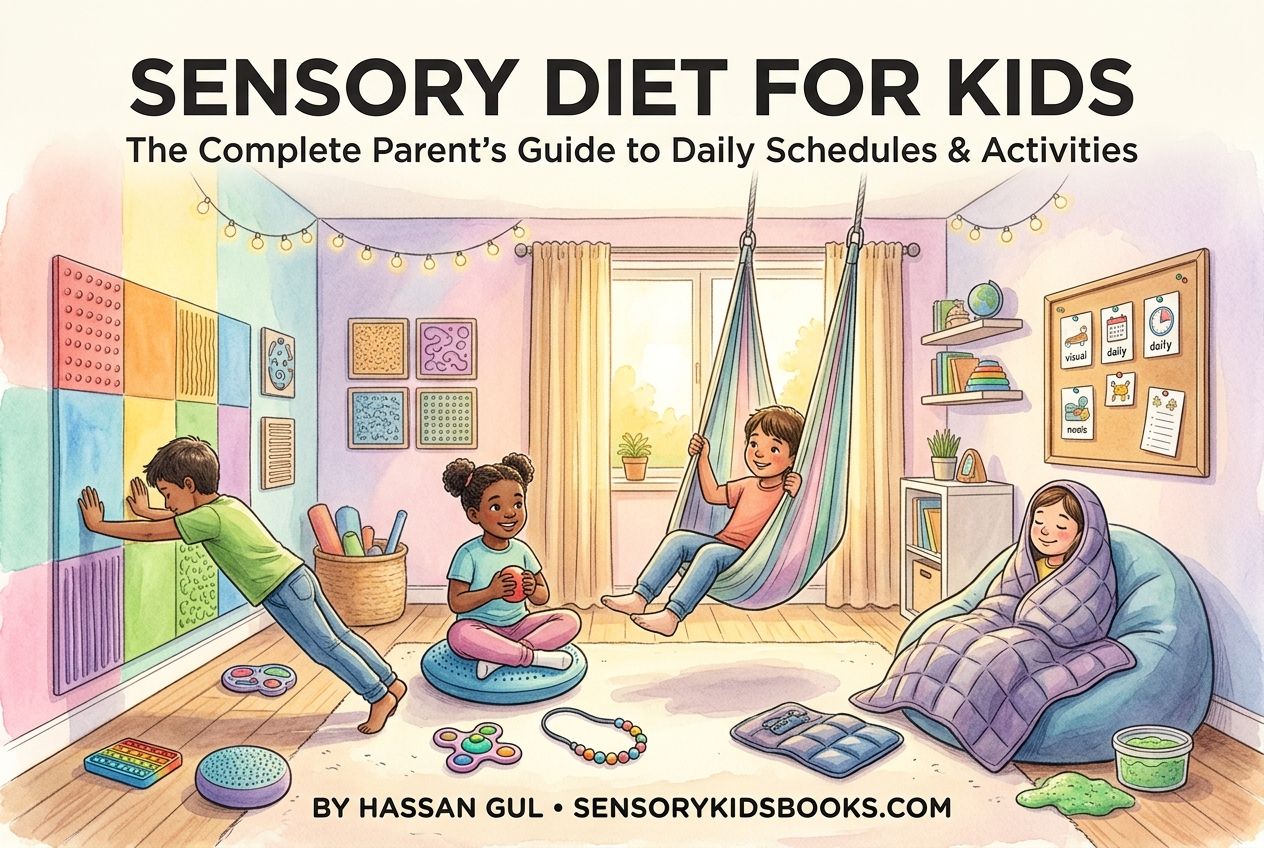 Sensory Processing
Sensory Diet for Kids: The Complete Parent's Guide (+ Daily Schedules & 45+ Activities)
Learn how to create a sensory diet for kids with autism, ADHD, or SPD. Includes 45+ activities, ready-to-use daily schedules, zero-cost DIY hacks, classroom IEP/504 accommodations, and a vetted sensory tools buying guide.
Read Article arrow_forward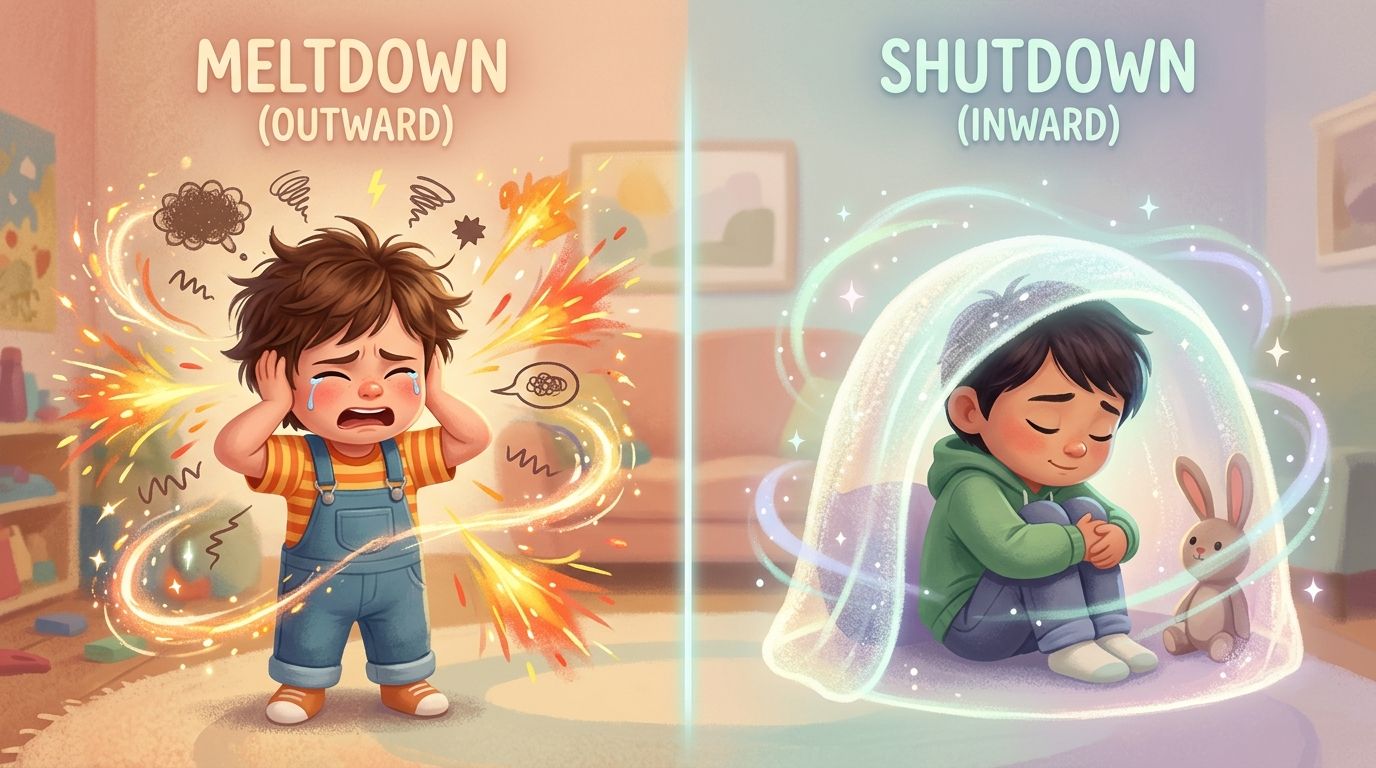 Calm-Down Strategies
Autistic Shutdown vs. Meltdown: Understanding the Inward Collapse vs. Outward Explosion
Read Article arrow_forward Sensory Processing
Vocal Stimming in ADHD & Autism: Why We Make Repetitive Sounds and How to Support Them
Read Article arrow_forward Emotional Regulation
PMDD and Neurodivergence: Why the Luteal Phase Shatters ADHD & Autistic Regulation
Read Article arrow_forward Sensory Tools & Coping
Sensory-Friendly Dentist Visits: A Neurodivergent Parent's Complete Survival Guide
Read Article arrow_forward Calm-Down Strategies
Autistic Transition Meltdowns: Why Shifting Gears Causes Chaos and How to Help
Read Article arrow_forward Emotional Regulation
Rejection Sensitive Dysphoria (RSD) in ADHD & Autism: A Parent's Guide
Read Article arrow_forward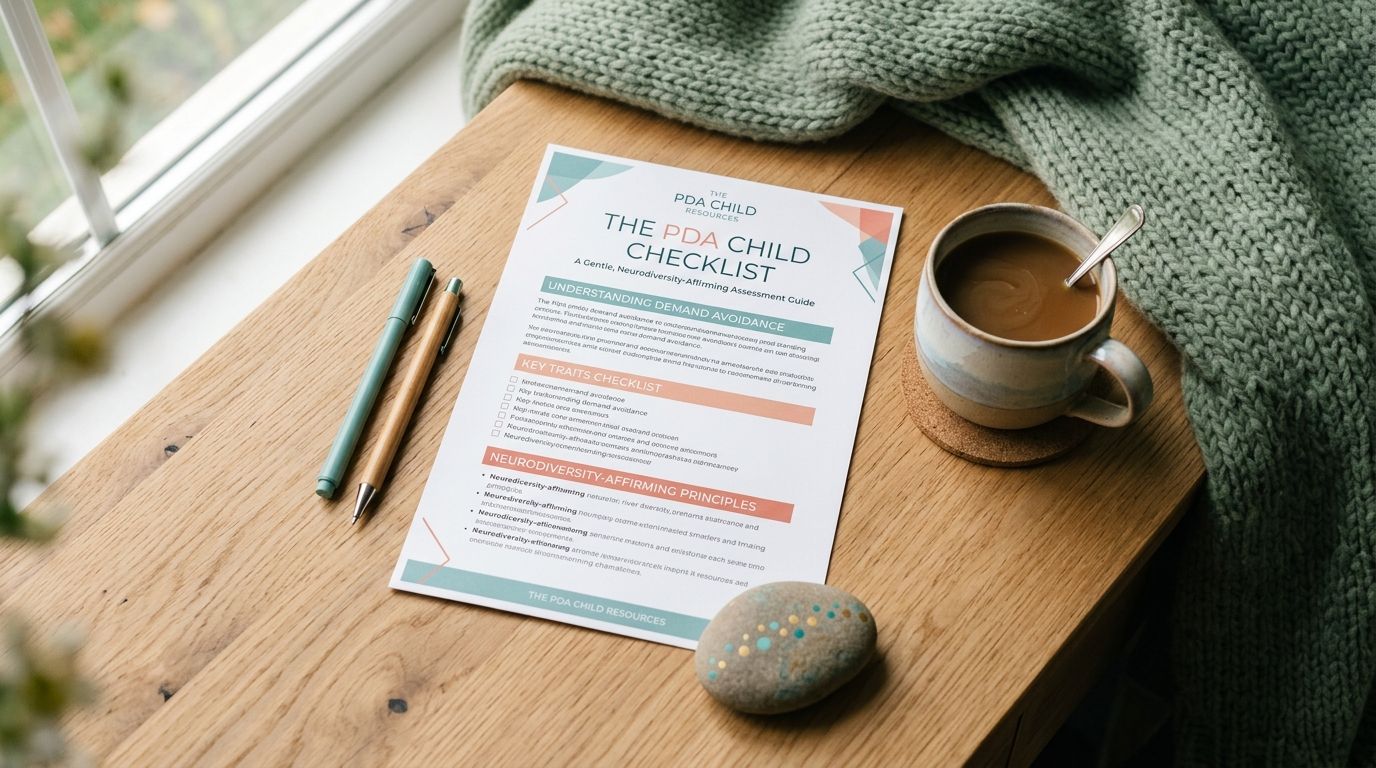 Pathological Demand Avoidance
The PDA Checklist for Children: Signs of Nervous System Demand Avoidance (Free PDF Download)
Identify 25 signs of Pathological Demand Avoidance (PDA) in children. Download our free printable PDF checklist, nervous system threat audit, and declarative scripts.
Read Article arrow_forward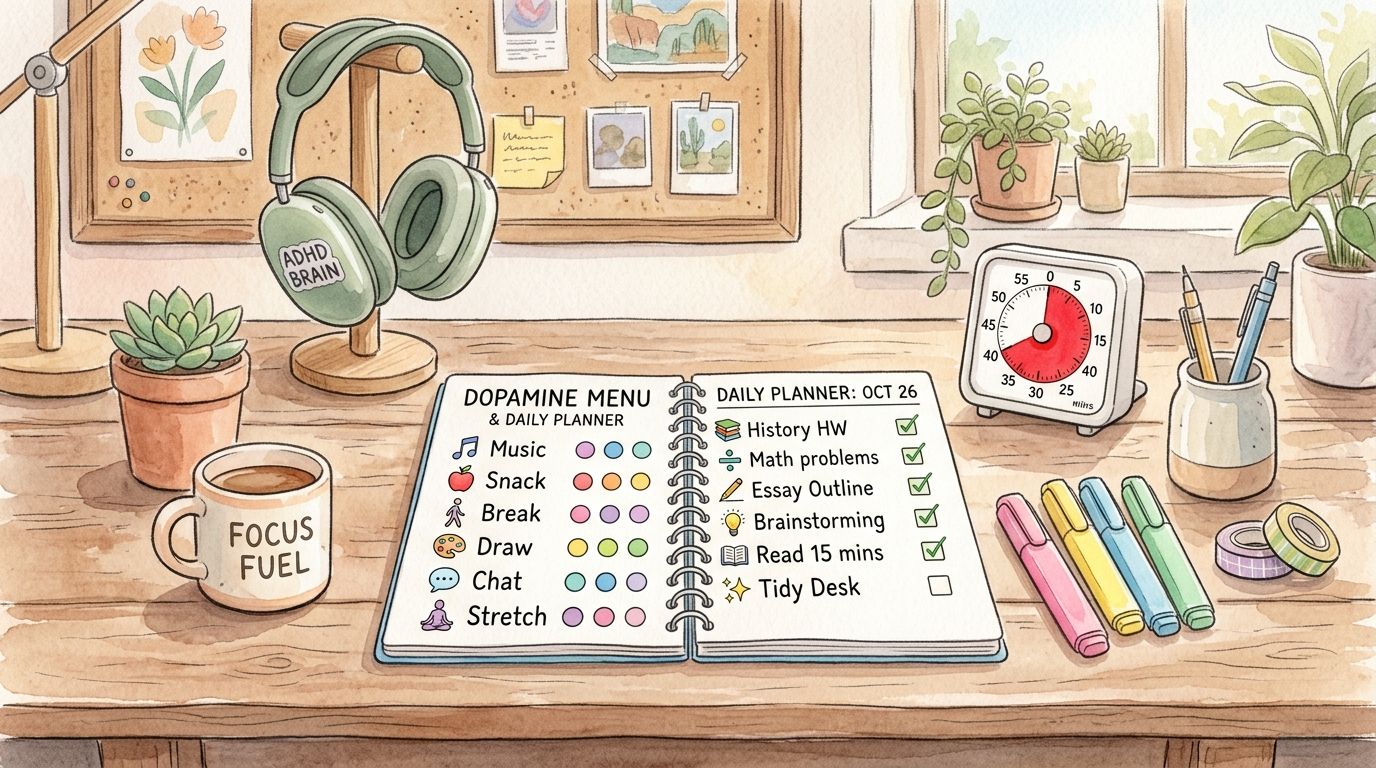 Routines & Visual Schedules
The 3 Best Sensory-Friendly Planners for ADHD Teens (That They Will Actually Use)
A comprehensive buying guide and neuroscience breakdown of the best sensory-friendly ADHD planners for teenagers. Learn how dopamine menus, visual timers, and undated systems conquer task paralysis.
Read Article arrow_forward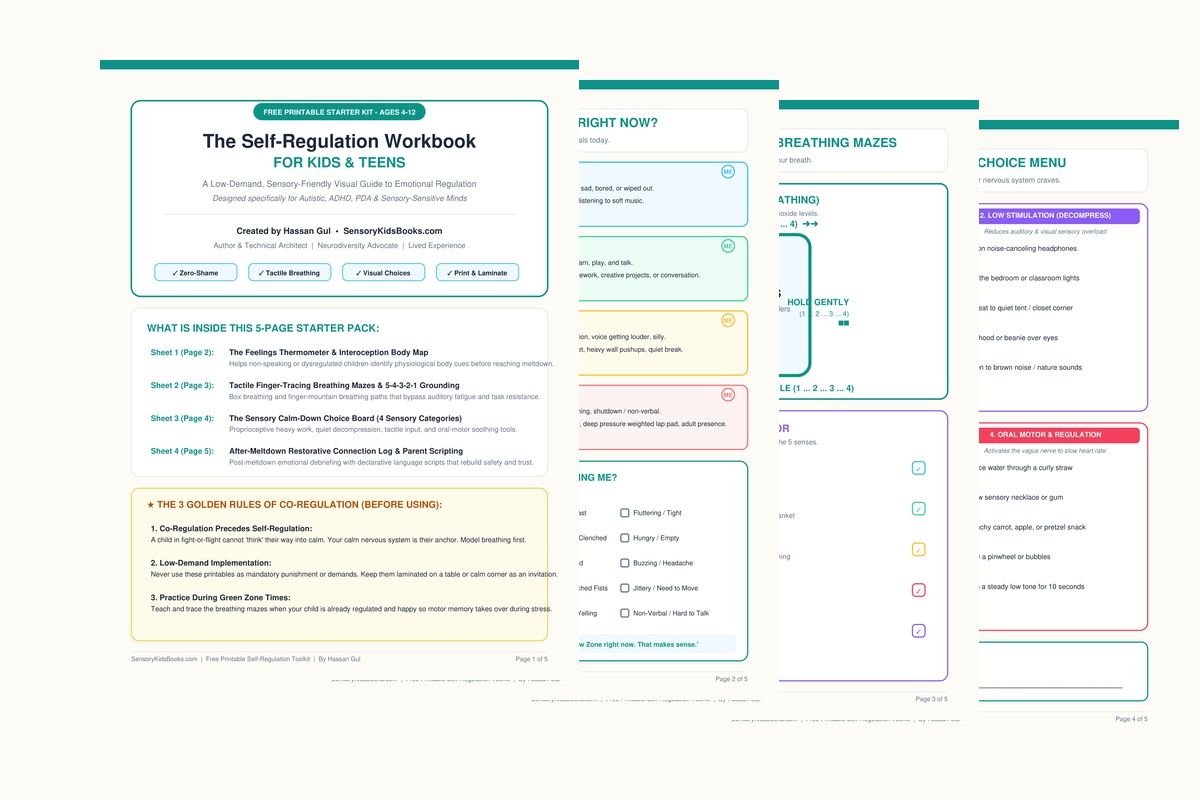 Emotional Regulation
The Self-Regulation Workbook for Kids (Free PDF Download) — 5-Page Starter Kit
Download the free 5-page Self-Regulation Workbook for Kids PDF. Includes instant 1-click downloads for feelings thermometers, tactile Box Breathing mazes, sensory choice boards, and declarative language scripts.
Read Article arrow_forward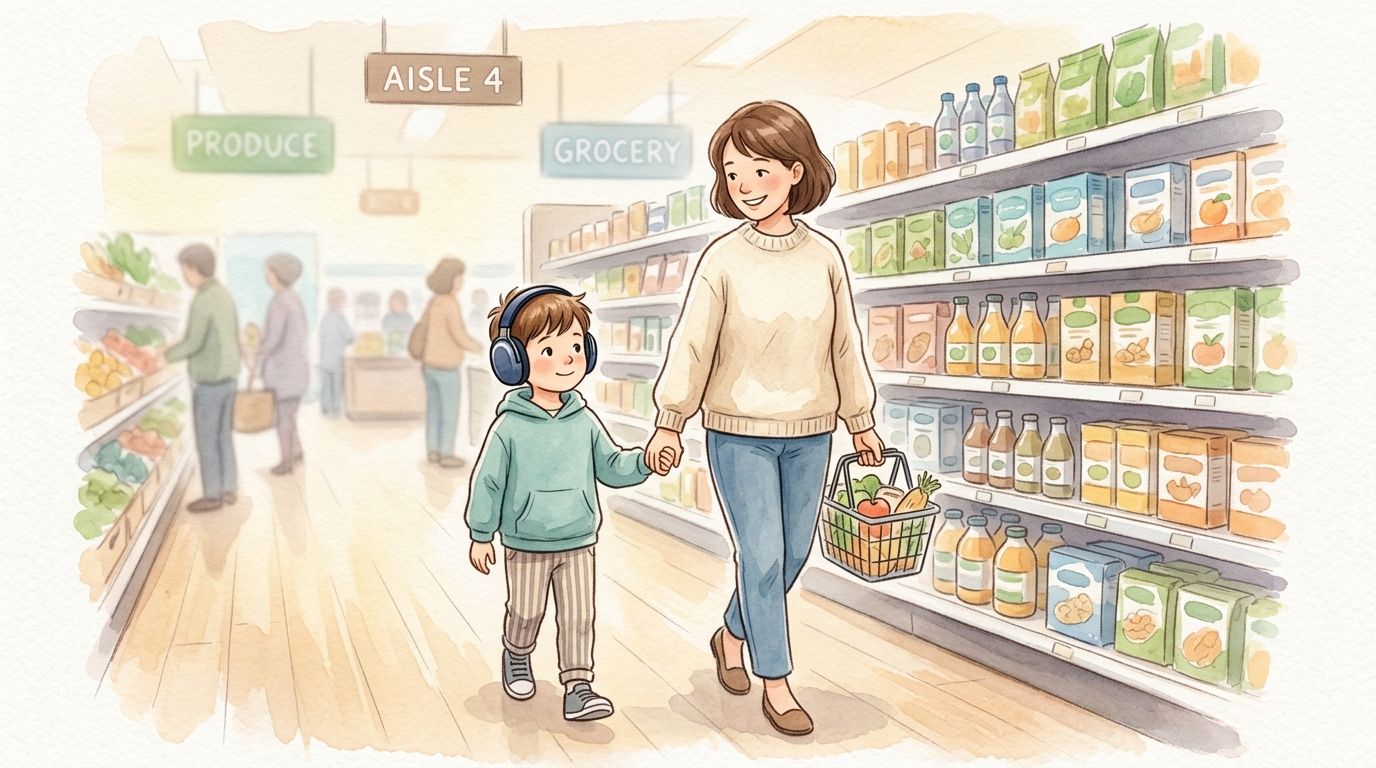 Sensory Tools & Coping
Grocery Shopping with Autistic Kids: Surviving Sensory Overload in Public
A comprehensive guide to navigating grocery stores with autistic and sensory-sensitive children. Explains sensory gating, tantrum vs. meltdown differences, and provides practical co-regulation strategies.
Read Article arrow_forward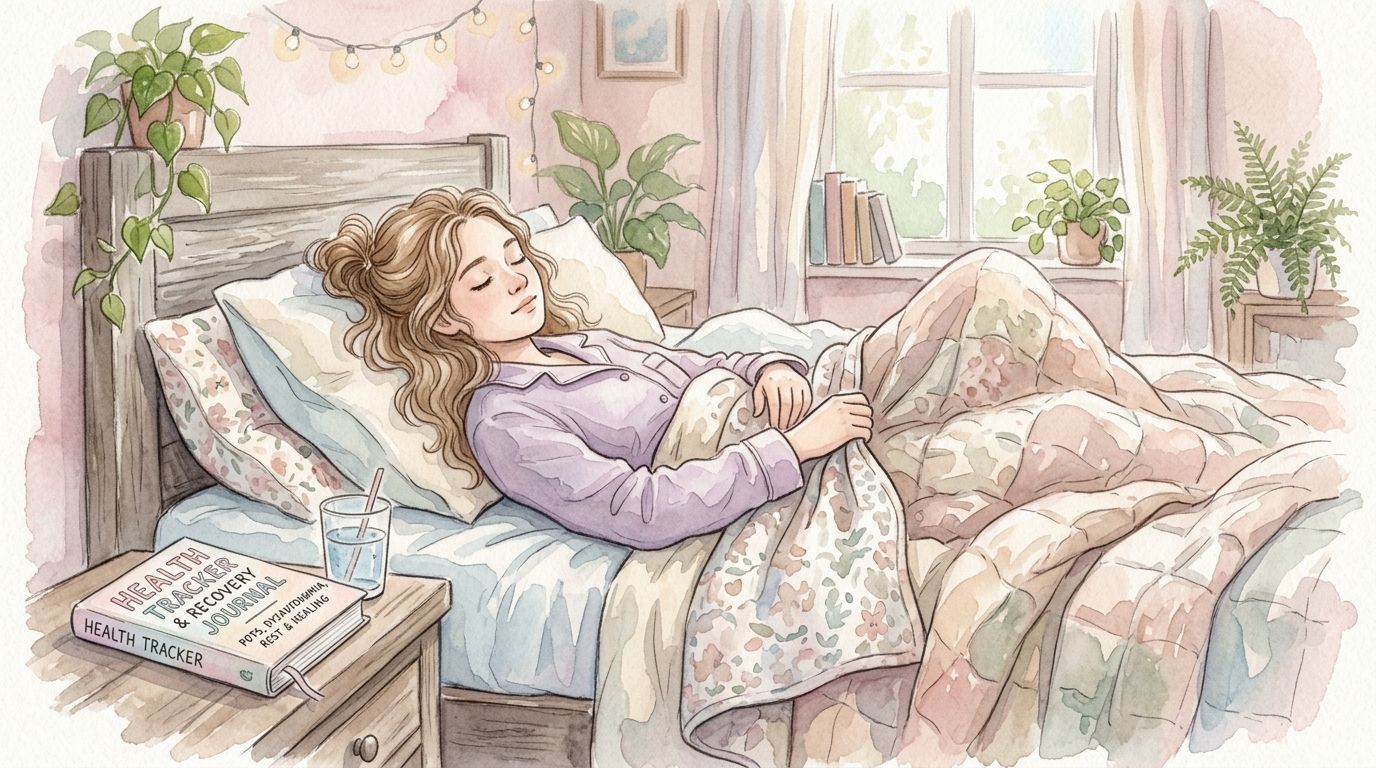 Lifestyle & Awareness
Pediatric POTS & Dysautonomia: How to Spot the Signs & Track Symptoms in Teens
A comprehensive medical and parenting guide to Pediatric POTS and Dysautonomia in teenagers. Explains the Neurodivergent Trifecta (POTS, EDS, Autism), symptom tracking, and treatment.
Read Article arrow_forward Pathological Demand Avoidance
 (PDA) in Relationships: Navigating Conflict & Connection
A comprehensive couples and clinical guide to Pathological Demand Avoidance (PDA) in relationships. Explains radical equality, declarative phrasing, and conflict de-escalation.
Read Article arrow_forward Sensory Processing
Tactile Defensiveness in Kids: Why Sticky Hands & Textures Trigger Meltdowns
A comprehensive occupational therapy guide to tactile defensiveness in children. Explains the two pathways of touch, why forced messy play backfires, and the 4-step Sticky Shield protocol.
Read Article arrow_forward Neurodivergent Parenting
The "Glass Child" Phenomenon: How to Support the Sibling of an Autistic Child
A clinical and family guide to supporting the siblings of autistic and special needs children (The Glass Child Phenomenon). Explains parentification, emotional neglect, and boundary strategies.
Read Article arrow_forward Pathological Demand Avoidance
 (PDA) and ADHD: Why Standard ADHD Strategies Backfire
A clinical guide to the complex intersection of ADHD, Autism, and Pathological Demand Avoidance (AuDHD + PDA). Explains internal demands and stealth dopamine strategies.
Read Article arrow_forward ADHD Support
How to Teach Growth Mindset to Autistic & ADHD Girls (Overcoming Perfectionism Paralysis)
A clinical and parenting guide to helping autistic and ADHD girls overcome perfectionism paralysis, autistic masking fatigue, and rejection sensitive dysphoria (RSD).
Read Article arrow_forward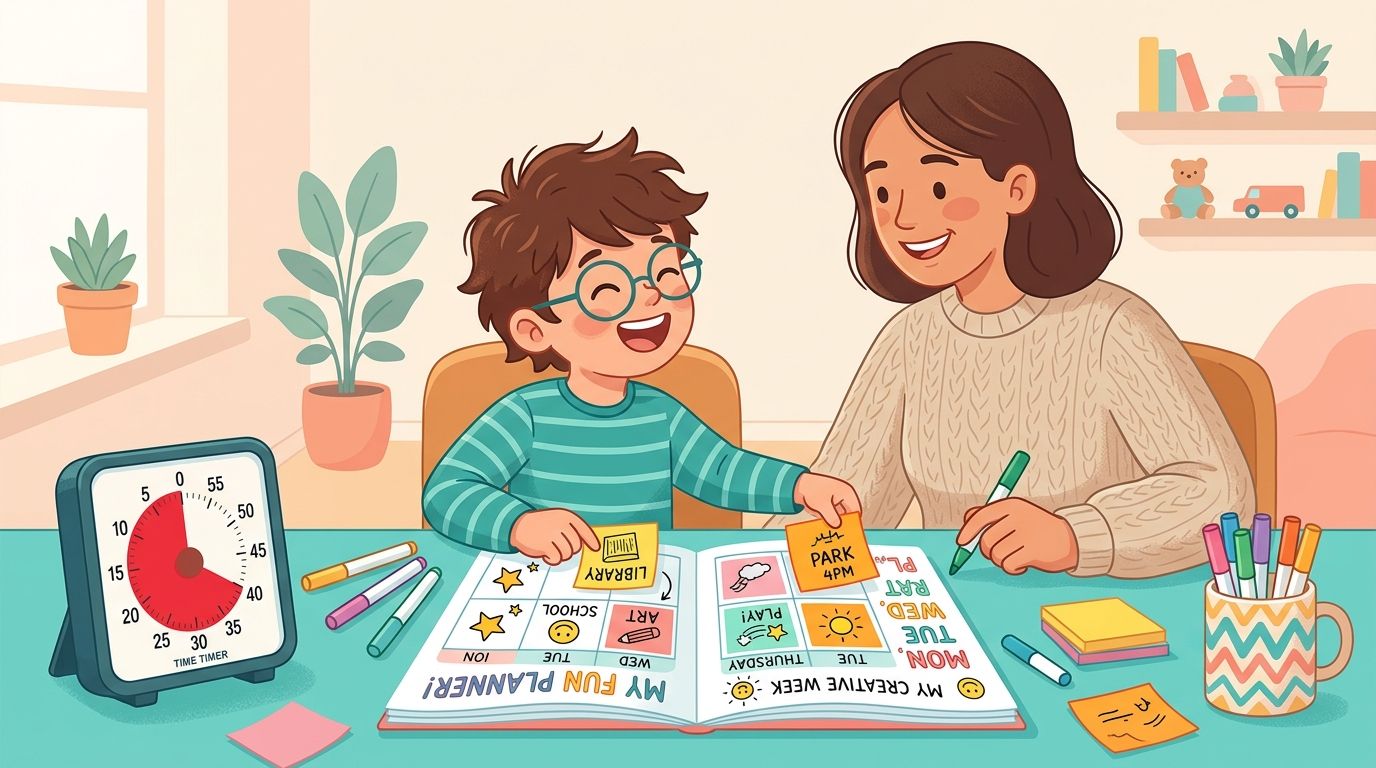 ADHD Resources
Why Traditional Planners Fail ADHD Kids (And What to Use Instead)
A comprehensive neuroscience analysis of why traditional planners fail ADHD kids. Explains the Planner Graveyard, time blindness, and the non-linear Anti-Planner solution.
Read Article arrow_forward Emotional Regulation
The Spoon Theory for Kids: How to Teach Energy Budgeting to Prevent Autistic Burnout
A comprehensive pediatric guide to Christine Miserandino's Spoon Theory for autistic and ADHD children. Explains hidden spoon thieves, after-school meltdowns, and energy restoration.
Read Article arrow_forward School & Social Skills
Social Confidence for Neurodivergent Teens: How to Decode Unspoken Rules Without Masking
A comprehensive guide to social confidence for neurodivergent teens. Explains the Double Empathy Problem, unwritten high school rules, and digital etiquette without masking.
Read Article arrow_forward Pathological Demand Avoidance
PDA vs. ODD: Why Traditional Discipline Backfires on Demand Avoidant Kids
A comprehensive clinical comparison between Pathological Demand Avoidance (PDA) and Oppositional Defiant Disorder (ODD). Explains the PANDA framework and declarative language.
Read Article arrow_forward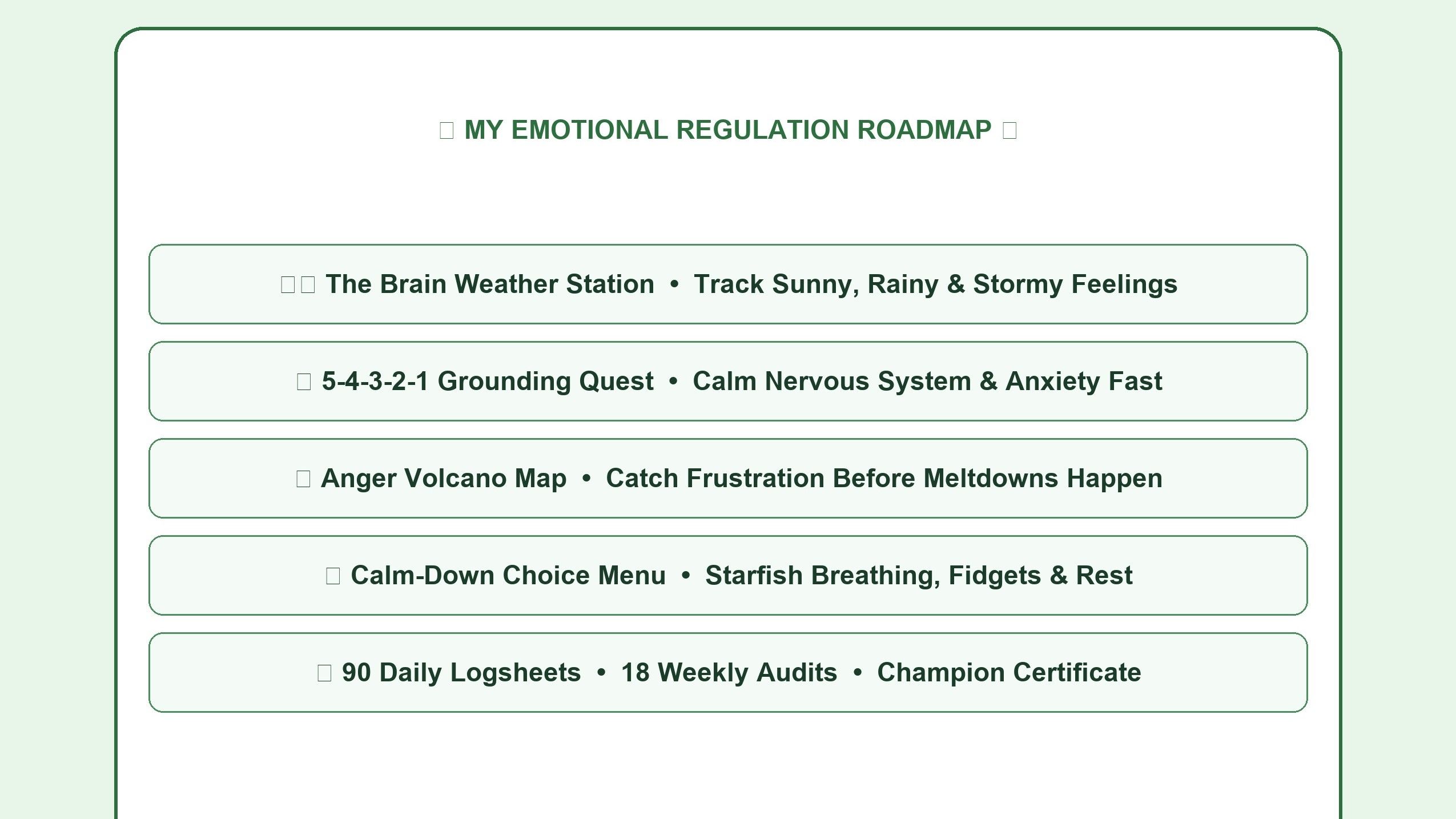 Emotional Regulation
5 Daily Emotional Check-In Prompts to Stop Meltdowns Before They Explode
A clinical and parenting guide to daily emotional check-ins for neurodivergent children. Explains alexithymia, somatic body mapping, and the 5 low-demand prompts.
Read Article arrow_forward Sensory Processing
Interoception Explained: Why Neurodivergent Kids Ignore Hunger, Thirst & Bathroom Signals
A comprehensive clinical guide to Interoception (the 8th sense) in Autism and ADHD. Explains hypo-reactive body signals, potty accidents, and Kelly Mahler's OT framework.
Read Article arrow_forward School & Social Skills
Modern Manners for Neurodivergent Kids: Teaching Kindness Without Forcing Masking
A neurodiversity-affirming guide to modern manners for autistic and ADHD children. Explains the neuroscience of eye contact, bodily autonomy, and social communication.
Read Article arrow_forward Early Signs & Diagnosis
Highly Sensitive Child (HSC) vs. Autism: Signs, Overlap & What Helps
A comprehensive clinical comparison between Sensory Processing Sensitivity (Highly Sensitive Child) and Autism. Explains the DOES framework, masking in girls, and sensory tools.
Read Article arrow_forward Occupational Therapy at Home
How to Build a DIY Sensory Pathway at Home for Autism & ADHD
A complete step-by-step guide and blueprint to building a DIY home sensory pathway for autism, ADHD, and sensory processing differences. Features 5 evidence-based stations and budget-friendly materials.
Read Article arrow_forward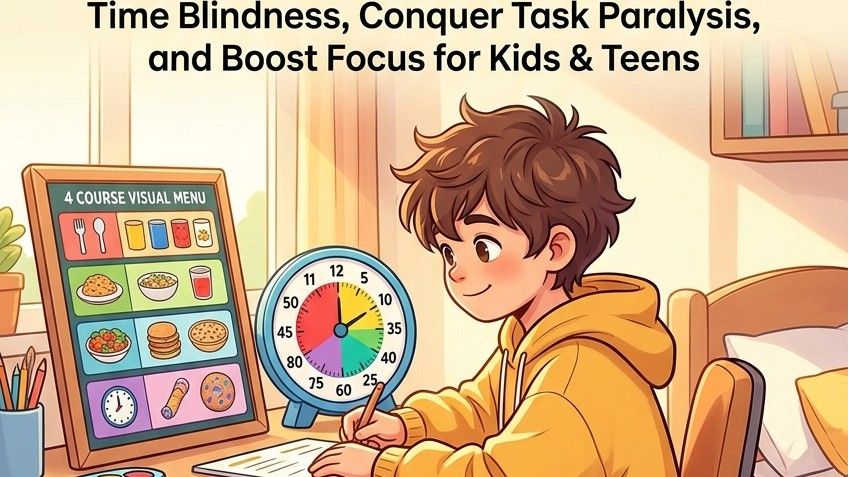 ADHD Support
How to Build an ADHD Dopamine Menu to Beat Task Paralysis
A comprehensive neuroscience guide to building an ADHD Dopamine Menu. Learn how appetizers, entrees, sides, and desserts conquer task paralysis and dopamine depletion.
Read Article arrow_forward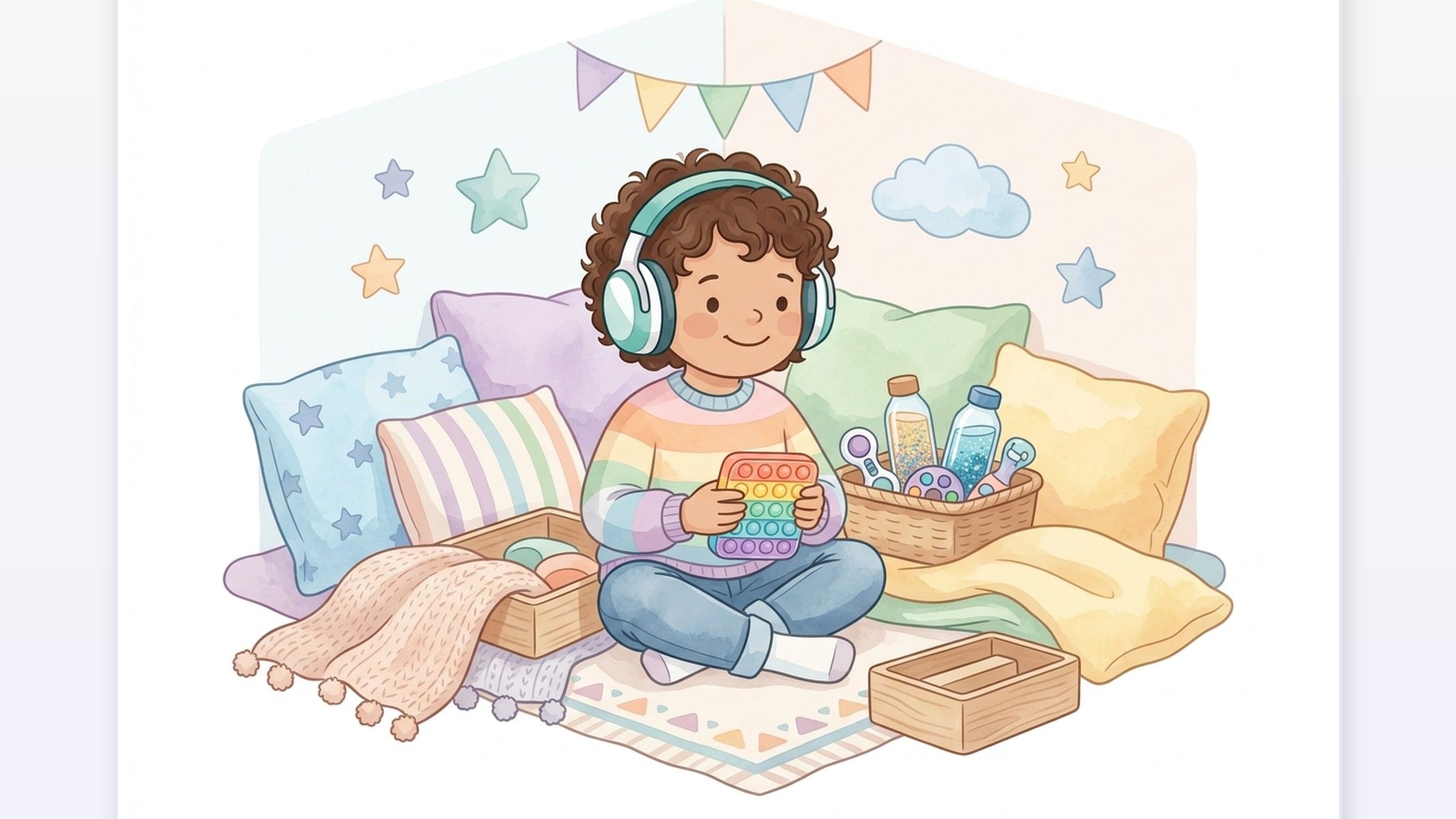 Calm-Down Strategies
How to Build a Calm Down Corner (That Isn't a Punishment) — Sensory Setup Guide
Learn how to set up a trauma-informed, sensory-friendly calm down corner at home or school. Includes printable visual feelings thermometer, breathing mazes, and calm choice cards.
Read Article arrow_forward Calm-Down Strategies
Somatic Grounding: How to Stop Sensory Overload Without Using Words
Read Article arrow_forward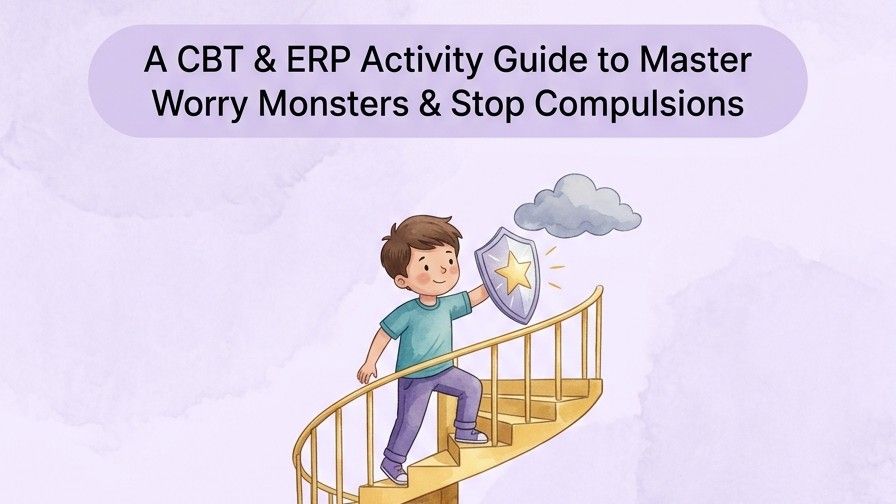 Autism Support
Autism & OCD: How to Manage Intrusive Thoughts & Sensory Compulsions
Read Article arrow_forward ADHD Support
AuDHD Explained: The Unique Challenge of Having Both Autism & ADHD
Read Article arrow_forward Pathological Demand Avoidance
 (PDA) in Adults: Signs, Masking & Recovery
A comprehensive guide to Pathological Demand Avoidance (PDA) in adults. Discover why ordinary tasks trigger a nervous system threat response and how to recover from PDA burnout.
Read Article arrow_forward Sensory Processing
Why Does My Child Cover Their Ears? A Guide to Auditory Sensory Overload
A parent's guide to understanding why autistic children cover their ears. Explore auditory hypersensitivity, sensory overload, and the best ways to provide low-demand support.
Read Article arrow_forward Sensory Processing
Picky Eating vs. Pediatric ARFID: How to Spot Sensory Food Aversion & Support Your Child
A parent's guide to understanding the difference between Picky Eating and Pediatric ARFID. Learn the 3 subtypes of ARFID, sensory food aversion signs, and a 5-step low-demand food exploration ladder.
Read Article arrow_forward Sensory Processing
Why Do Autistic Kids Script? Delayed Echolalia, Movie Quotes & Gestalt Language Guide
A parent guide to understanding autistic scripting, delayed echolalia, and Gestalt Language Processing (GLP). Discover why kids recite movie lines and how to decode their meaning.
Read Article arrow_forward Sensory Processing
Autism Burnout in Children & Teens: Hidden Signs, Causes, and the 4-Step Recovery Plan
A comprehensive guide to understanding autism burnout in children and teens. Discover why skill regression occurs, how burnout differs from depression, and a 4-step low-demand recovery protocol.
Read Article arrow_forward Sensory Processing
Top 7 Noise-Canceling Headphones for Autism & Sensory Overload (Kid-Tested Review)
A parent-tested review of the top 7 noise-canceling headphones and ear defenders for autism and auditory sensory processing disorder. Compare Puro Sound Labs, Loop, 3M Peltor, and Sony.
Read Article arrow_forwardSensory ProcessingAutistic Shutdowns vs. Meltdowns: How to Spot the Difference & Provide Low-Demand Support
Learn the crucial differences between autistic shutdowns vs meltdowns. Discover why shutdowns are not defiance, how to recognize the freeze state, and 5 low-demand recovery steps.
Read Article arrow_forwardSensory Tools & Coping10 Budget-Friendly Sensory Room Ideas for Home (Build a Calm Space Under $50)
Explore 10 budget-friendly sensory room ideas for home. Learn how to build an effective calm-down corner for under $50 using DIY crash pads, string lights, and sensory bins.
Read Article arrow_forward Sensory Processing
Vocal Stimming in Autism & ADHD: What It Is, Why Kids Do It, and How to Support
Discover practical, neuro-affirming guidance, sensory regulation strategies, and lived-experience insights on Vocal Stimming in Autism & ADHD: What It Is, Why Kids Do It, and How to Support.
Read Article arrow_forward Lifestyle & Awareness
Can Cats Be Autistic? Understanding Feline Sensory Issues
While cats cannot be clinically diagnosed with human autism, felines frequently display remarkable sensory sensitivities, routine dependency, and repetitive self-soothing behaviors that mirror human neurodivergence.
Read Article arrow_forward Lifestyle & Awareness
How Dogs for Down Syndrome and Autism Therapy Change Lives
Therapy and service dogs provide deep pressure therapy, emotional co-regulation, tethering safety, and unconditional companionship for children with Down syndrome and Autism Spectrum Disorder.
Read Article arrow_forward Early Signs & Diagnosis
Is It a Phase or Autism? Understanding Autistic Traits in 4-Year-Olds
Understanding autistic traits in 4-year-olds involves recognizing sensory sensitivities, parallel play preferences, intense special interests, emotional regulation needs, and communication styles.
Read Article arrow_forward Language & Communication
Gestalt Language Processing in Autism: Why Your Child Speaks in "Scripts"
Gestalt Language Processing (GLP) is a natural style of language acquisition where children learn speech in whole phrases ('gestalts' or scripts) before breaking them down into individual words.
Read Article arrow_forward Sensory Tools & Coping
The 10 Best Non-Toxic Fidget Toys for Kids (Safe for Chewing & Sensory Needs)
Non-toxic fidget toys provide safe tactile, proprioceptive, and oral-motor sensory input for neurodivergent kids, helping them filter distracting stimuli and improve executive attention.
Read Article arrow_forward Early Signs & Diagnosis
Autism Symptoms in Newborns: 10 Early Signs Parents Must Know
Early newborn and infant signs of autism often center on sensory processing differences, subtle eye contact variation, unusual responsiveness to sounds, and distinct motor reflexes during the first 12 months.
Read Article arrow_forward Autism Support
Top 10 Sensory Board Books for Autistic Toddlers (Low-Demand & Tactile)
Sensory board books provide tactile, low-demand interactive reading for autistic toddlers, combining textured touch-and-feel patches, high-contrast visual cues, and durable wipe-clean thick pages.
Read Article arrow_forward Sensory Processing
10 Best Calming Activity Books for 5-Year-Olds (For Sensory Overload)
Discover practical, neuro-affirming guidance, sensory regulation strategies, and lived-experience insights on 10 Best Calming Activity Books for 5-Year-Olds (For Sensory Overload).
Read Article arrow_forward ADHD Support
Why Wipe-Clean Workbooks are a Game-Changer for ADHD & Perfectionism
Wipe-clean workbooks remove the fear of making permanent mistakes for ADHD and autistic children, allowing low-pressure re-attempts that build executive function, pencil grip, and confidence.
Read Article arrow_forward School Advocacy
What is a 504 Plan for ADHD & Autism? (A Parent's Survival Guide)
A 504 Plan provides legally binding accommodations—such as sensory breaks, visual schedules, and quiet testing environments—for ADHD and autistic students in public schools.
Read Article arrow_forward Emotional Regulation
Navigating RSD (Rejection Sensitive Dysphoria) in Children with ADHD: A Parent’s Guide
Rejection Sensitive Dysphoria (RSD) is an intense, overwhelming emotional pain triggered by perceived rejection, criticism, or failure in children and adults with ADHD and autism.
Read Article arrow_forward Sensory Processing
16 Things Autistic Kids Must Have (That Survived My Living Room & School)
A 504 Plan provides legally binding accommodations—such as sensory breaks, visual schedules, and quiet testing environments—for ADHD and autistic students in public schools.
Read Article arrow_forward Emotional Regulation
15+ Easy Zones of Regulation Activities for Home (A Parent's Guide)
Zones of Regulation activities help children categorize emotional and energy states into four intuitive colors (Blue, Green, Yellow, Red) and practice body-based calming tools.
Read Article arrow_forward Pathological Demand Avoidance
Declarative Language Examples for PDA: Scripts, Swaps, & Free Printables
Gestalt Language Processing (GLP) is a natural style of language acquisition where children learn speech in whole phrases ('gestalts' or scripts) before breaking them down into individual words.
Read Article arrow_forward Pathological Demand Avoidance
The Ultimate Pathological Demand Avoidance Checklist (Real-Life Examples & Free Printable)
The Pathological Demand Avoidance (PDA) checklist outlines real-life autonomic nervous system threat responses to everyday demands, offering low-demand parenting strategies to restore family peace.
Read Article arrow_forward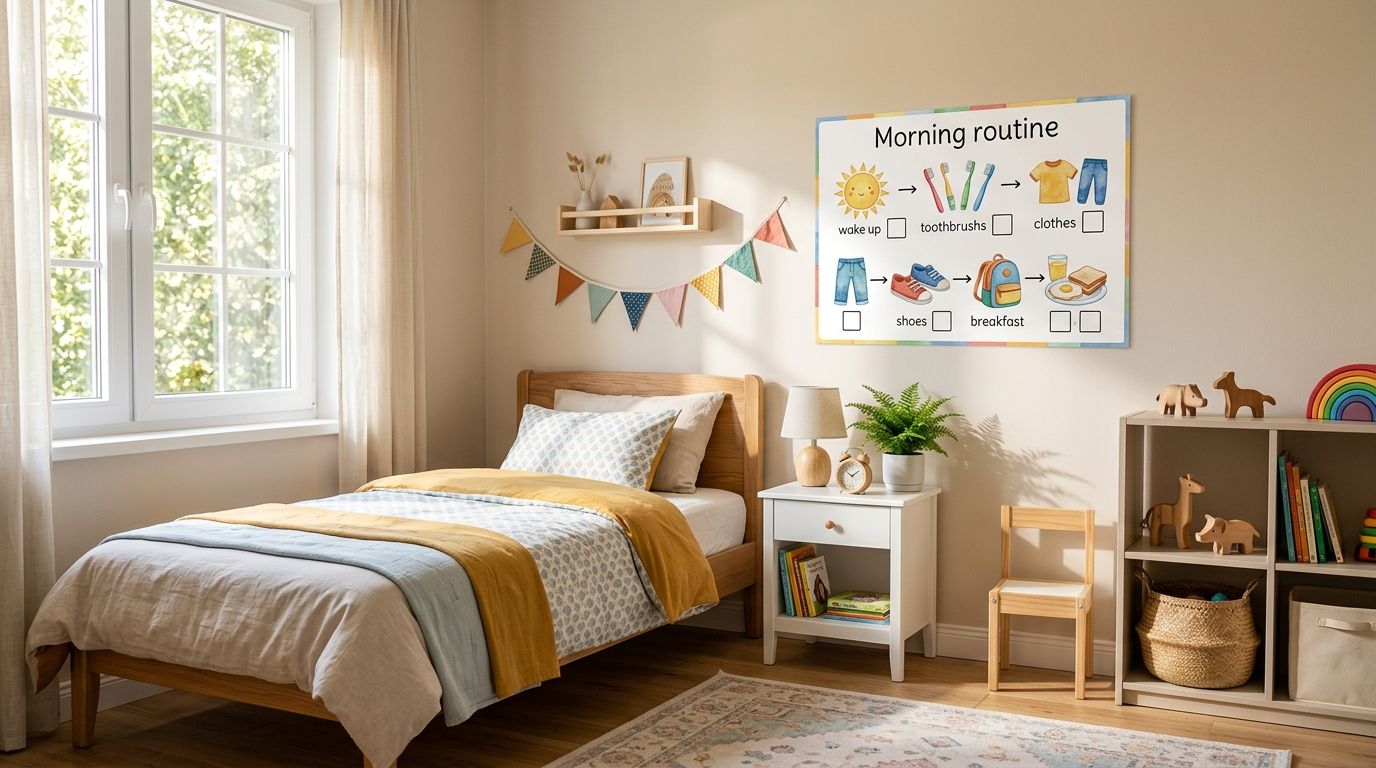 ADHD Resources
The Ultimate Printable ADHD Morning Routine Chart for Kids
A printable ADHD morning routine chart breaks overwhelming multi-step routines into visual, low-demand chunks with checkboxes that stimulate natural dopamine and conquer executive dysfunction.
Read Article arrow_forwardOccupational Therapy at HomeHow to Create a Calm Sensory Corner at Home (On a Budget)
A calm sensory corner is a designated low-stimulation home sanctuary equipped with soft lighting, weighted pillows, tactile tools, and visual calm-down charts to help children self-regulate.
Read Article arrow_forward Book Recommendations
The Best Books for an Autistic 5-Year-Old Dealing with Sensory Overload
Discover practical, neuro-affirming guidance, sensory regulation strategies, and lived-experience insights on The Best Books for an Autistic 5-Year-Old Dealing with Sensory Overload.
Read Article arrow_forwardEmotional RegulationHow Low-Demand Parenting & Declarative Language Reduce After-School Meltdowns
After-school meltdowns (restraint collapse) occur when neurodivergent children spend all day heavily masking at school, needing low-demand environments, declarative language, and sensory resets upon returning home.
Read Article arrow_forward Occupational Therapy at Home
10 Simple "Heavy Work" Activities to Regulate Your Child at Home
Heavy work activities provide deep proprioceptive muscle and joint input that regulates the central nervous system, helping sensory-seeking or dysregulated children find grounded calm.
Read Article arrow_forward Neurodivergent Parenting
5 Tips For Calming Bedtime Routines for Neurodivergent Kids
Calming bedtime routines for neurodivergent kids rely on sensory-friendly wind-downs, visual schedules, dim lighting, and proprioceptive deep pressure (like weighted blankets) rather than rigid, demand-heavy clocks.
Read Article arrow_forward Sensory Processing
Calm Down Strategies for Kids with Sensory Processing Disorder: A Parent's Guide
Discover practical, neuro-affirming guidance, sensory regulation strategies, and lived-experience insights on Calm Down Strategies for Kids with Sensory Processing Disorder: A Parent's Guide.
Read Article arrow_forward