The "Glass Child" Phenomenon: How to Support the Sibling of an Autistic Child
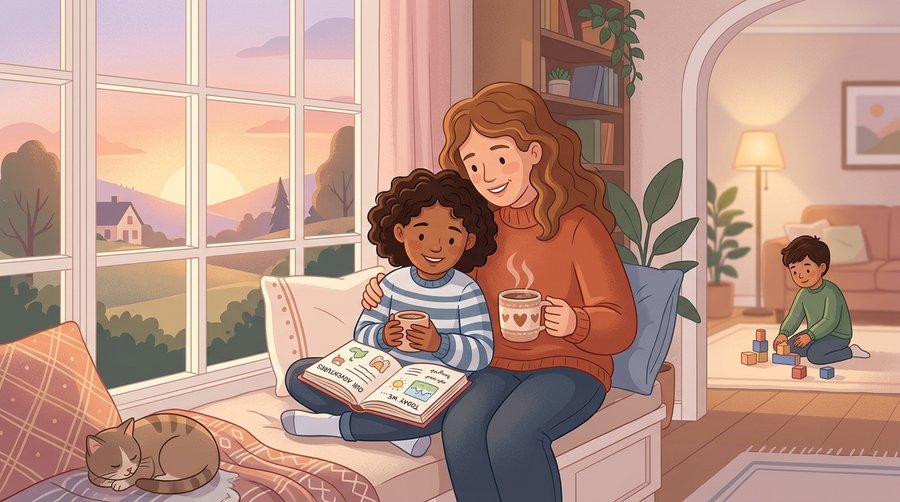
They are the "good child" who never complains. Here is the hidden psychology of the Glass Child—and the 5 sacred boundaries every family needs to protect neurotypical siblings.
They are the 'good child.' They get straight A's without being reminded. They quietly pack their own lunch, clean their own bedroom, and never complain when family outings are canceled at the last minute because their autistic sibling is having a crisis.
Parents often look at them with immense relief: 'Thank goodness we don't have to worry about Maya. She is so independent, so mature, so easy.'
Here is the heartbreaking truth: Maya is not fine. She is a **Glass Child**.
The term 'Glass Child' was popularized by TEDx speaker Alicia Maples to describe the siblings of individuals with severe disabilities, chronic illness, or neurodivergence. It does not mean the child is fragile. It means that everyone around them—parents, teachers, relatives—looks right through them to focus on the child with the high-support needs.
Glass children grow up in homes where the family orbit revolves entirely around avoiding the next meltdown, managing therapies, and walking on emotional eggshells. Out of profound love for their exhausted parents, they swallow their own pain, suppress their own childhood, and internalize an agonizing belief: 'My needs are a burden.'
In this clinical and compassionate guide, we explore the psychology of the Glass Child, examine the hidden trauma of sibling parentification, and outline the 5 practical boundaries every family needs to ensure neurotypical siblings feel seen, protected, and cherished.
The 4 Hidden Traumas of the Glass Child
Growing up as the sibling of a high-support-needs child shapes adult psychology in four profound ways:
1. Premature Parentification
Glass children are often thrust into co-parenting roles as young as age six. They become hyper-vigilant mediators: watching their sibling's facial expressions, predicting meltdowns, helping manage tantrums, and supervising routines. They sacrifice their childhood to become miniature adults.
2. Chronic Invalidation & 'Comparative Guilt'
When a glass child has a hard day (a bad grade, peer conflict, feeling lonely), they immediately stop themselves from talking to their parents: 'Mom was up all night dealing with my brother's meltdown. My problems are stupid compared to what our family is dealing with.' They invalidate their own emotions, leading to adult depression and chronic imposter syndrome.
3. The 'Tiptoeing Home' & Chronic Hyper-Arousal
When home is the site of explosive screams, property destruction, or unpredictable sensory crises, a sibling's nervous system remains in chronic sympathetic fight-or-flight. They never truly relax. Their bedroom is not a sanctuary; it is a bunker.
4. Boundary Violations & Resentment
Siblings frequently have their personal possessions broken, their homework torn, or their sleep shattered during nighttime meltdowns. When parents fail to protect their physical space, deep subconscious resentment festers—followed immediately by intense guilt for feeling resentful.
The 5 Sacred Boundaries to Protect and Cherish the Sibling
How do we balance the overwhelming medical needs of an autistic child while honoring the emotional rights of their sibling? Here is our operational blueprint:
- 🚪 1. Create an Impenetrable Physical Sanctuary: The sibling's bedroom must be an inviolable safe zone. Install an adult-height latch or electronic keycode lock. Establish a strict family law: the neurodivergent child is never allowed inside without explicit permission. Their possessions, artwork, and quiet must be guaranteed.
- ⏰ 2. The 15-Minute Sacred 'Solo Window': Consistency beats quantity. Dedicate 15 minutes every single day to the sibling with ZERO talk about therapies, doctors, or their brother/sister. Put your phone away. Sit on their bed. Ask: 'What is happening in your world today?' This un-cancelable time signals that they are loved for who they are, not how quiet they are.
- 🎧 3. Acoustic Protection & Decompression Gear: Equip the sibling with active noise-canceling headphones. Give them permission to retreat to their room and put on music during meltdowns. Teach them explicitly: 'It is not your job to fix your brother's meltdown. Mom and Dad have this. You are safe.'
- 🗣️ 4. Sanction and Validate 'Negative' Emotions: Never scold a sibling for expressing frustration: 'Don't be selfish, he can't help it!' Say instead: 'It is completely understandable that you feel frustrated and angry right now. It is really hard when outings get interrupted. I get mad too.'
- 🤝 5. Dedicated Sibling Therapy / Support Groups: Connect your child with 'Sibshops'—peer support networks where brothers and sisters of neurodivergent children can laugh, vent, and connect with peers who understand their exact lived experience.
Recommended Tools to Support Siblings of Neurodivergent Kids
Equip your glass child with tools that validate their identity and personal space:
1. High-Quality Active Noise-Canceling Headphones
Essential acoustic armor that shields a sibling's nervous system from sensory distress during intense household meltdowns.
shopping_cartCheck Price on Amazon: Active Noise Canceling Over-Ear Headphonesopen_in_new
2. Private Lockable Diary / Guided Journal
A password or combination-locked personal journal where siblings can express uncensored thoughts, anger, and dreams in absolute privacy.
shopping_cartCheck Price on Amazon: Combination Lock Journal for Kids and Teensopen_in_new
3. Electronic Keyless Bedroom Door Latch Lock
Easy-to-install bedroom security latch that guarantees personal property protection and uninterrupted sleep.
shopping_cartCheck Price on Amazon: Electronic Keyless Bedroom Door Lockopen_in_new
4. Social Emotional Feelings Communication Cube
Tactile prompt tools that help quiet siblings articulate buried emotions during their 1-on-1 parent time.
shopping_cartCheck Price on Amazon: Emotion Conversation Cubes for Kidsopen_in_new
Explore 'The Calm-Down Partner Playbook' (Sibling Edition)
To help siblings understand neurodivergence without shouldering parental burdens, explore our published resource:
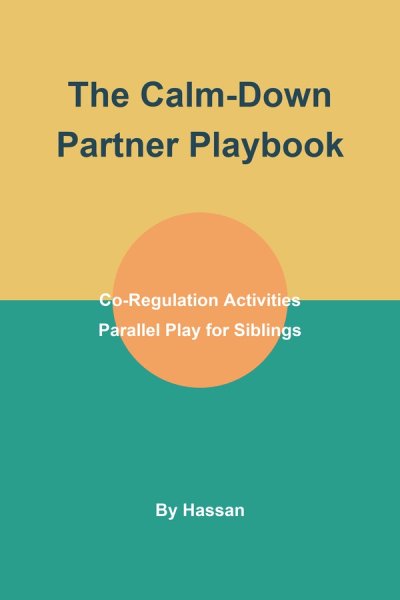
📖 The Calm-Down Partner Playbook (Book 11) by Hassan Gul. A compassionate guide for brothers and sisters that teaches boundaries, neurodivergent empathy, and self-care.
📥 Download our Free 5-Page Self-Regulation Starter Kit (PDF) for tactile calming mazes and feelings thermometers for the whole family.
 Instant PDF
The Calm-Down Partner Playbook
Parallel Play Activities & Sensory-Friendly Games for Neurodivergent and Autistic Siblings
Quick Answers for Parents & Educators
Recommended Sensory Products
Carefully curated products for a sensory-friendly environment.
Active Noise Canceling Over-Ear Headphones
Acoustic Bunker
Isolates the sibling's nervous system from household auditory trauma during acute meltdowns.
Combination Lock Journal for Kids & Teens
Unfiltered Emotional Outlet
Guarantees private, uncensored journaling space where siblings can process complex feelings without fear.
Keyless Electronic Bedroom Door Lock
Physical Boundary Guard
Provides peace of mind by preventing broken possessions and guaranteeing an inviolable bedroom sanctuary.
Emotion Conversation Cubes for Kids
1-on-1 Connection Tool
Facilitates deep emotional sharing during dedicated parent-sibling time without interrogating pressure.
Join the Conversation
Get our monthly guide on sensory-aware parenting and neuro-inclusive home design delivered straight to your sanctuary.
Respecting your inbox and your peace of mind.
Discussion (0)
No comments yet. Be the first to share your thoughts!
Leave a Reply
Your email address will not be published. Required fields are marked *